
Modern vertical artwork has become one of the most popular choices in contemporary interior design. Whether displayed in homes, offices, hotels, or galleries, vertical artwork creates a striking visual effect that instantly captures attention.
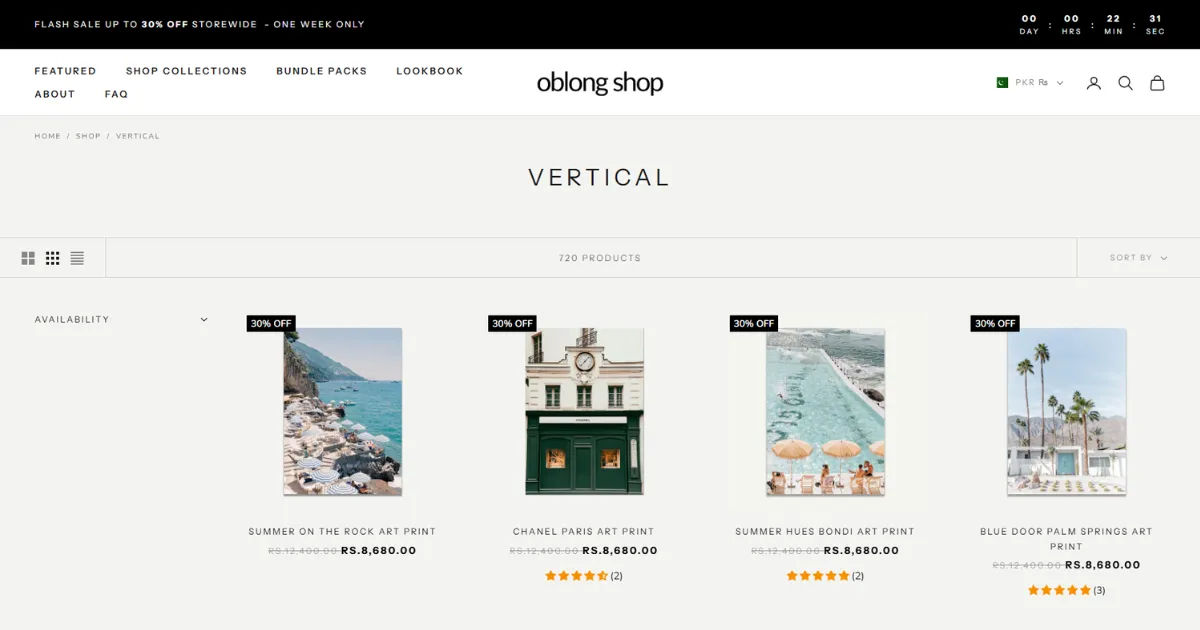
Unlike traditional horizontal pieces, vertical compositions naturally draw the eye upward, making spaces appear taller and more elegant. This unique orientation allows artists to tell stories, emphasize movement, and create a stronger emotional connection with viewers.
As design trends continue to evolve, more homeowners and decorators are choosing vertical artwork because it blends artistic expression with practical functionality. It works well in compact spaces, complements modern architecture, and offers countless opportunities for personalization. Understanding what makes modern vertical artwork unique can help you choose pieces that enhance both your décor and your personal style.
The Rise of Vertical Art in Modern Design
Over the past decade, interior design has shifted toward clean lines, open layouts, and minimalist aesthetics. Alongside these trends, vertical compositions have gained popularity because they naturally complement contemporary architecture.
Modern apartments often feature narrow walls, tall ceilings, and open living areas. A vertical canvas fits these spaces beautifully without overwhelming the room. Designers appreciate how vertical pieces create balance while adding sophistication.
Rather than simply filling an empty wall, vertical art becomes an architectural feature that enhances the overall atmosphere.
Why Orientation Makes Such a Difference
The orientation of a painting significantly influences how people experience it. Horizontal artwork generally creates a feeling of stability and calm because it follows the natural horizon.
Vertical artwork, however, produces a completely different effect.
It encourages the viewer's eyes to travel upward, creating a sense of movement, energy, and growth. This upward direction often makes ceilings feel higher and rooms appear more spacious than they actually are.
Because of this visual illusion, many interior designers recommend vertical pieces for smaller rooms and apartments.
Modern Styles Offer Endless Variety
One of the biggest reasons modern vertical artwork stands out is its incredible diversity.
Today's artists work across numerous styles, including:
Abstract Designs
Abstract paintings use colors, shapes, textures, and patterns instead of recognizable objects. These pieces allow viewers to interpret the artwork in their own unique way.
Minimalist Artwork
Minimalist vertical pieces often feature simple lines, neutral colors, and clean compositions. Their understated appearance creates elegance without overwhelming the surrounding décor.
Nature-Inspired Art
Many artists create forests, waterfalls, mountains, flowers, and botanical themes using vertical formats. These compositions emphasize height naturally, making trees, waterfalls, and landscapes appear even more dramatic.
Geometric Designs
Modern geometric artwork combines symmetry with bold shapes. Vertical arrangements help create rhythm while adding visual interest to contemporary spaces.
It Creates Strong Visual Impact
One of the defining characteristics of modern vertical artwork is its ability to become an immediate focal point.
A single large canvas positioned on a blank wall can completely transform an otherwise ordinary room.
Instead of competing with furniture, decorative accessories, or lighting fixtures, the artwork draws attention while tying the entire design together.
Large vertical paintings are especially effective in:
-
Living rooms
-
Entryways
-
Hallways
-
Staircases
-
Dining areas
-
Office reception spaces
Perfect for Small and Narrow Spaces
Not every home has wide walls suitable for oversized landscape paintings.
Many modern homes feature narrow architectural spaces where horizontal artwork simply doesn't fit well.
Vertical artwork solves this challenge perfectly.
Common locations include:
-
Between windows
-
Beside fireplaces
-
Hallway walls
-
Staircase landings
-
Reading corners
-
Apartment entrances
Rather than leaving these areas empty, a carefully selected vertical piece transforms them into attractive design features.
Modern Artists Experiment with Texture
Modern artwork isn't limited to paint alone.
Today's artists frequently combine materials to create textured surfaces that add depth and realism.
Popular materials include:
-
Acrylic paint
-
Oil paint
-
Mixed media
-
Metallic leaf
-
Fabric
-
Resin
-
Wood
-
Concrete textures
These materials interact with light differently throughout the day, allowing the artwork to constantly change its appearance depending on lighting conditions.
Color Choices Reflect Modern Trends
Modern vertical artwork often embraces carefully selected color palettes.
Some artists choose calming neutral tones that blend seamlessly with minimalist interiors.
Others prefer bold colors that energize a room and create dramatic contrast.
Popular palettes include:
Earth Tones
Warm browns, beige, olive green, and terracotta create welcoming environments.
Black and White
Monochrome artwork remains timeless while fitting almost every decorating style.
Bold Contemporary Colors
Bright blues, gold, orange, emerald green, and crimson help create unforgettable focal points.
Soft Pastels
Muted pinks, sage greens, dusty blues, and lavender introduce calmness into modern interiors.
It Enhances Interior Architecture
Unlike decorative accessories that simply fill space, modern vertical artwork interacts with architectural elements.
Tall paintings complement:
-
High ceilings
-
Floor-to-ceiling windows
-
Modern columns
-
Floating staircases
-
Contemporary fireplaces
This harmony makes the room feel thoughtfully designed rather than randomly decorated.
Emotional Expression Matters
Modern artists often focus on emotion instead of realism.
Instead of creating perfect representations of objects, they aim to evoke feelings such as:
-
Peace
-
Curiosity
-
Hope
-
Energy
-
Reflection
-
Confidence
Because viewers interpret abstract forms differently, each person may experience the same artwork in a unique way.
This emotional flexibility is one reason modern art remains so popular.
Technology Has Expanded Creative Possibilities
Digital tools have introduced exciting opportunities for contemporary artists.
Many creators begin their concepts digitally before applying traditional painting techniques.
Others combine photography, digital illustration, and hand-painted elements into a single composition.
Technology has also improved printing techniques, making high-quality art reproductions more accessible to homeowners with various budgets.
Custom Pieces Are Growing in Popularity
Many buyers now prefer artwork created specifically for their homes.
Artists frequently offer customized options based on:
-
Room dimensions
-
Preferred colors
-
Interior style
-
Personal interests
-
Existing furniture
This personalized approach ensures each piece complements its surroundings while reflecting the homeowner's personality.
Sustainability Is Influencing Modern Art
Environmental awareness has become increasingly important.
Many artists now use eco-friendly materials, including:
-
Recycled canvas
-
Sustainable wood frames
-
Non-toxic paints
-
Water-based finishes
-
Reclaimed materials
These choices appeal to environmentally conscious buyers while reducing the environmental impact of artistic production.
Lighting Brings Artwork to Life
Proper lighting dramatically enhances modern vertical artwork.
Natural daylight reveals subtle color transitions throughout the day, while carefully positioned wall lighting highlights textures and brushstrokes during the evening.
Popular lighting choices include:
-
Picture lights
-
Adjustable spotlights
-
LED wall washers
-
Track lighting
Good lighting allows viewers to appreciate details that may otherwise remain unnoticed.
Choosing the Right Piece
Selecting artwork involves more than choosing attractive colors.
Consider these factors before making a purchase:
Measure Your Wall
Choose artwork that fits proportionally within the available space.
Match Your Interior Style
Modern homes often pair well with abstract or minimalist designs, while transitional spaces may benefit from nature-inspired pieces.
Think About Color Balance
Artwork should complement existing furniture, flooring, rugs, and accessories.
Consider Viewing Distance
Large walls usually benefit from oversized pieces, while smaller rooms often look better with moderately sized canvases.
Caring for Modern Artwork
Proper maintenance preserves both beauty and value.
Simple care includes:
-
Dust gently using a soft microfiber cloth.
-
Avoid direct sunlight for extended periods.
-
Keep artwork away from excessive moisture.
-
Use secure hanging hardware.
-
Clean frames carefully without harsh chemicals.
With proper care, quality artwork can remain beautiful for many years.
Why Modern Vertical Artwork Continues to Grow in Popularity
Interior design trends continue to evolve, but vertical compositions remain consistently relevant because they combine artistic beauty with practical functionality.
They adapt to various decorating styles, work in rooms of different sizes, and create an elegant visual experience that few other decorative elements can achieve.
Whether someone prefers colorful abstract paintings, calming botanical scenes, textured mixed-media creations, or minimalist designs, vertical compositions offer nearly limitless possibilities for personal expression.
As homeowners increasingly seek interiors that reflect individuality while maintaining sophistication, modern vertical artwork continues to stand out as one of the most versatile and impactful design choices available.
Conclusion
Modern vertical artwork is unique because it combines visual impact, creative freedom, and practical design advantages in a single artistic format. Its upward orientation naturally enhances room proportions, creates stronger focal points, and complements contemporary architecture. From abstract masterpieces and textured mixed-media creations to minimalist compositions and nature-inspired designs, vertical artwork offers exceptional versatility for every decorating style. As artists continue exploring new materials, techniques, and sustainable practices, these pieces remain at the forefront of modern interior design. Choosing the right artwork is not simply about decorating a wall—it is about adding personality, emotion, and lasting visual interest to a space. Whether you're refreshing a single room or designing an entire home, modern vertical artwork can elevate your environment while expressing your unique taste and appreciation for contemporary art.