
Urine tests are one of the most common and useful medical diagnostic tools. They help doctors understand what is happening inside your body without invasive procedures. Whether it is checking for infections, kidney health, diabetes, or drug use, urine analysis gives fast and valuable insights.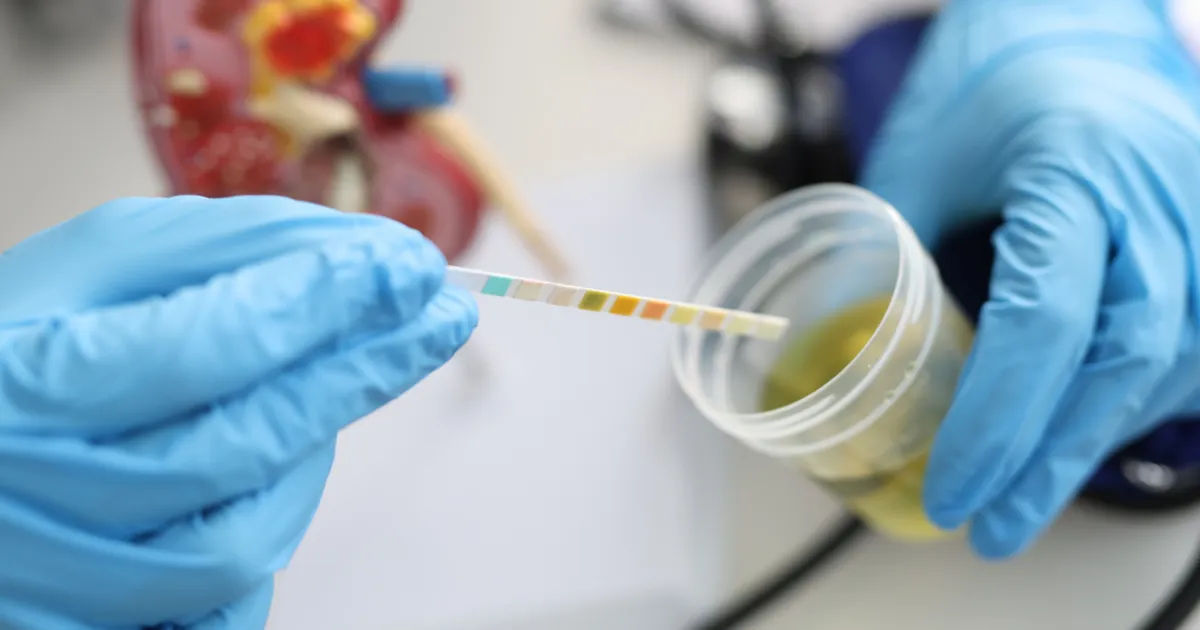
Many people also search for practical concerns such as can you freeze urine for a drug test, especially when they are trying to understand sample handling and testing accuracy. In medical discussions, the phrase can you freeze urine for a drug test often comes up when people are curious about how samples are stored and transported.
At its core, a urine test examines the physical, chemical, and microscopic properties of urine. Doctors look at color, clarity, protein levels, sugar content, bacteria, and many other markers.
Understanding these results helps identify diseases early and monitor overall health. In some cases, people also ask questions like can you freeze urine for a drug test when learning about laboratory procedures, sample stability, or testing conditions.
Urine test results can seem confusing at first, especially when you see medical terms like “specific gravity,” “ketones,” or “leukocytes.” However, once you break them down, they are easier to understand.
This guide will explain everything in simple language so that even a 12th-grade student can clearly understand what urine test results mean. We will also naturally address topics such as can you freeze urine for a drug test where relevant to sample handling and lab testing concepts.
By the end of this article, you will have a strong understanding of how urine tests work, what each result indicates, and how doctors interpret them in real-life medical situations. We will also revisit key practical questions like can you freeze urine for a drug test to help you understand how urine samples behave outside the body.
Basics of Urine Testing
A urine test, also called urinalysis, is a laboratory examination of urine. It is used to detect and manage a wide range of disorders. Many people first encounter it during routine checkups or when symptoms like pain, fever, or fatigue appear. In some discussions about lab procedures, people may also come across the phrase can you freeze urine for a drug test, which relates to how samples are preserved before analysis.
Urine is made by the kidneys as they filter waste and excess water from the blood. Because of this, it contains important clues about the body's internal condition. A standard urine test usually includes three parts: physical examination, chemical analysis, and microscopic examination.
Physical examination looks at color and clarity. Chemical analysis checks for substances like glucose, protein, and pH levels. Microscopic examination looks for cells, crystals, and bacteria. When learning about how samples are stored in labs, some individuals also ask can you freeze urine for a drug test to understand whether urine remains stable over time.
Doctors use urine tests for many reasons, including diagnosing urinary tract infections, kidney diseases, liver problems, and metabolic conditions. They are also widely used in employment and legal settings. In those contexts, questions like can you freeze urine for a drug test often appear when discussing sample handling protocols.
Physical Properties of Urine Results
The physical characteristics of urine are often the first things evaluated in a test. These include color, odor, and clarity. Normal urine is usually light yellow due to a pigment called urobilin. Dark urine may indicate dehydration, while very pale urine may suggest overhydration. Some people researching lab procedures may also encounter can you freeze urine for a drug test when thinking about how storage conditions affect appearance.
Clarity refers to how transparent the urine is. Clear urine is typically normal, while cloudy urine may indicate infection or the presence of crystals or proteins. Strong or unusual odors can sometimes signal bacterial infections or metabolic disorders.
Specific gravity is another physical measurement. It shows how concentrated the urine is. High specific gravity means the urine is concentrated, often due to dehydration. Low specific gravity may suggest kidney problems or excessive fluid intake. In discussions about sample stability and lab processes, the phrase can you freeze urine for a drug test is sometimes mentioned when people are curious about whether freezing changes concentration levels.
These physical properties provide the first clues about a person’s health and help doctors decide whether further testing is needed.
Chemical Markers in Urine
Chemical analysis is a major part of interpreting urine test results. It checks for substances that should or should not be present in urine. Glucose, for example, is normally absent in urine. If it appears, it may indicate diabetes. Protein in urine can suggest kidney damage or infection.
pH levels measure how acidic or alkaline the urine is. Abnormal pH levels can indicate kidney stones or infections. Ketones may appear in urine when the body burns fat instead of glucose for energy, often seen in uncontrolled diabetes or fasting states.
During discussions about laboratory handling of samples, the question can you freeze urine for a drug test sometimes arises again, especially when people want to understand whether chemical properties remain stable under freezing conditions.
Bilirubin in urine may indicate liver disease, while nitrites often suggest bacterial infections. Leukocyte esterase is another marker that signals white blood cells, usually indicating infection or inflammation.
Understanding these chemical markers helps doctors diagnose diseases early and begin treatment quickly.
Infection Indicators in Urine Tests
Urine tests are commonly used to detect urinary tract infections (UTIs). When bacteria enter the urinary system, the body responds with white blood cells. These can be detected in urine samples. In some procedural discussions, individuals also ask can you freeze urine for a drug test when learning about how infection-related markers behave in stored samples.
Common infection indicators include nitrites, leukocytes, and cloudy appearance. Nitrites often suggest the presence of bacteria that convert nitrates into nitrites. Leukocytes indicate immune response activity.
Symptoms such as burning during urination, frequent urge to urinate, and pelvic pain often accompany these findings. When testing samples, labs ensure proper handling procedures, and questions like can you freeze urine for a drug test may come up when discussing whether bacterial growth continues or stops in frozen conditions.
Infections detected early through urine tests are usually easy to treat with antibiotics. That is why urinalysis is such a valuable diagnostic tool.
Drug Testing and Urine Analysis
Urine testing is widely used for detecting drugs in the body. It can identify substances like opioids, cannabis, amphetamines, and more. These tests are commonly used in workplaces, sports, and legal situations. In this context, people frequently ask can you freeze urine for a drug test when trying to understand sample preservation and detection reliability.
Drug metabolites remain in urine for different periods depending on the substance, dosage, and metabolism. For example, some drugs may be detectable for a few days, while others remain for weeks. Proper collection and storage are essential for accurate results.
Laboratories follow strict protocols to prevent contamination or degradation. This is why questions such as can you freeze urine for a drug test are important in discussions about sample integrity and long-term storage.
Urine drug tests are designed to be highly accurate, but external factors like dilution, temperature, and time can influence results.
Protein, Glucose, and Other Key Substances
Protein and glucose are two of the most important substances measured in urine tests. Normally, urine should not contain significant amounts of either. When protein is present, it may indicate kidney damage, infection, or high blood pressure. Some people researching lab handling also wonder can you freeze urine for a drug test when considering whether freezing affects protein stability.
Glucose in urine often signals diabetes or poor blood sugar control. Ketones may appear alongside glucose in severe cases. Other substances like crystals may indicate kidney stones.
Microscopic analysis can also reveal red and white blood cells. Red blood cells may suggest injury, stones, or infection in the urinary tract.
When discussing sample preservation and transport, the topic can you freeze urine for a drug test occasionally appears in relation to whether freezing affects these microscopic or chemical components.
Interpreting Urine Test Results
Interpreting urine test results requires understanding both normal and abnormal ranges. Doctors compare results against standard values to identify health problems. Slight variations may not always indicate disease, but significant changes often require further investigation.
For example, small traces of protein might not be serious, but large amounts usually require medical attention. Similarly, minor changes in pH may be harmless, while extreme levels may suggest underlying conditions.
In laboratory handling discussions, the phrase can you freeze urine for a drug test sometimes appears when people question whether storage conditions could alter interpretation of results.
Doctors always consider symptoms, medical history, and other test results before making a diagnosis. Urine tests are rarely interpreted in isolation.
False Positives and False Negatives
No medical test is perfect, and urine tests can sometimes produce incorrect results. A false positive means the test shows a condition that is not actually present. A false negative means the test fails to detect a condition that is present.
Factors such as medications, diet, dehydration, or improper sample handling can affect results. In discussions about testing reliability, people sometimes ask can you freeze urine for a drug test when considering whether storage conditions might lead to inaccurate readings.
Proper collection techniques, timely analysis, and correct storage reduce the chances of errors. That is why laboratories follow strict guidelines for handling samples.
Preparing for a Urine Test and Sample Handling
Preparation for a urine test depends on the type of test being done. For routine urinalysis, no special preparation is usually needed. However, for drug testing or specific medical evaluations, instructions may vary.
Patients are often advised to avoid certain foods or medications before testing. Proper sample collection is also important to avoid contamination. In sample handling discussions, the question can you freeze urine for a drug test may appear when people want to understand how samples are preserved before reaching the lab.
Midstream urine collection is commonly used to reduce contamination. This involves starting urination, stopping briefly, and then collecting the sample.
Understanding proper procedures ensures accurate results and reliable diagnosis.
Conclusion
Urine test results provide a detailed picture of a person’s health by analyzing physical, chemical, and microscopic properties of urine. They help detect infections, kidney disorders, diabetes, and even drug use. By understanding each component of the test, patients can better interpret what their results mean and why certain values may be abnormal.
Throughout medical discussions and lab-related topics, the phrase can you freeze urine for a drug test often appears when people are curious about how urine samples are stored and whether freezing affects test accuracy. While urine tests may seem complex at first, breaking them down into simple categories makes them easy to understand.
Ultimately, urine analysis is a powerful diagnostic tool that helps doctors make informed decisions quickly and accurately. Whether used in routine health checks or specialized testing, it remains one of the most valuable tools in modern medicine.