
Every year, thousands of vehicles reach the end of their useful life due to age, accidents, mechanical failure, or high repair costs. Instead of allowing these vehicles to end up in landfills, car wreckers Geelong play an important role in recycling them responsibly.
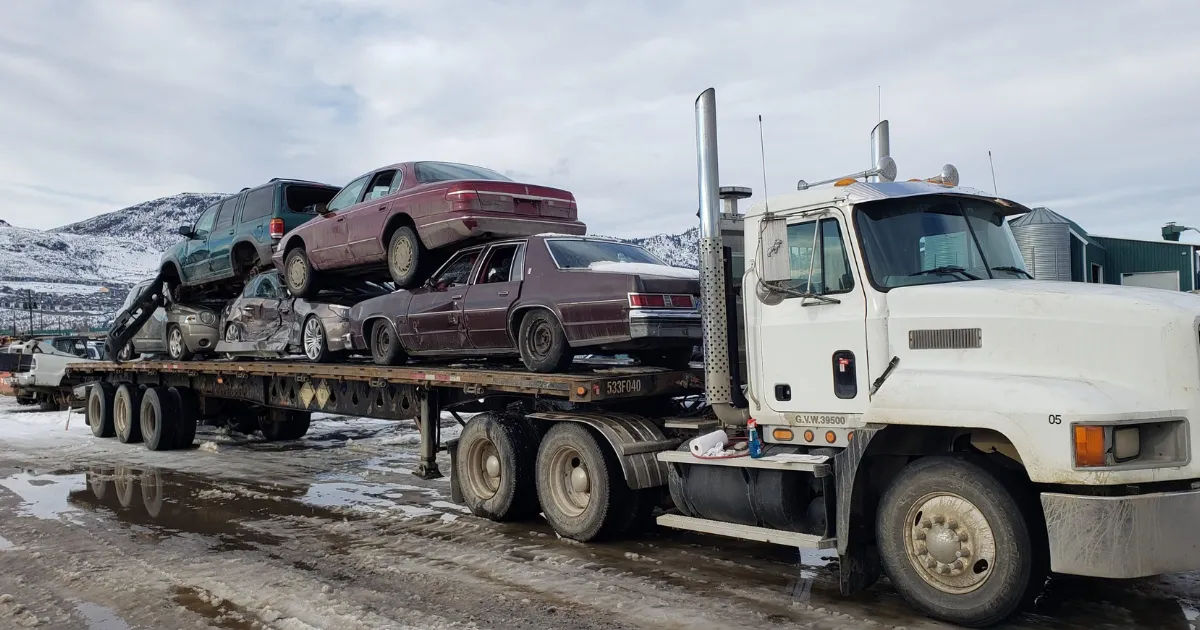
The work of car wreckers geelong helps reduce waste, conserve natural resources, and provide affordable used auto parts for vehicle owners. Recycling vehicles is much more than simply crushing old cars. It is a carefully planned process that ensures valuable materials are recovered while harmful substances are disposed of safely.
Understanding how vehicle recycling works can help car owners appreciate the environmental and economic benefits of choosing professional wrecking services. This guide explains each stage of the recycling process and highlights why responsible vehicle recycling is essential for a sustainable future.
Why Vehicle Recycling Matters
Cars are made from a wide variety of materials, including steel, aluminum, copper, rubber, plastic, and glass. Many of these materials can be recovered and reused instead of being discarded. Recycling vehicles reduces the demand for newly mined raw materials, lowers energy consumption, and minimizes landfill waste.
Professional recycling also prevents hazardous substances such as engine oil, coolant, brake fluid, fuel, and battery acid from contaminating the environment. By safely handling these materials, recycling facilities help protect local ecosystems and public health.
The Journey Begins with Vehicle Collection
The recycling process starts when a vehicle owner decides to sell or dispose of an unwanted car. This could be an accident-damaged vehicle, an old family car, or a vehicle that is no longer roadworthy.
After evaluating the vehicle, a recycling company arranges collection or towing. This makes it convenient for owners who no longer wish to keep the vehicle or cannot drive it safely.
Once collected, the vehicle is transported to the recycling facility for inspection.
Initial Vehicle Inspection
Every vehicle undergoes a detailed inspection before dismantling begins. This inspection helps determine the condition of various components and identifies which parts can be reused or recycled.
Technicians examine:
-
Engine condition
-
Transmission
-
Suspension components
-
Electrical systems
-
Body panels
-
Interior parts
-
Wheels and tyres
The inspection also identifies hazardous materials that require special handling during the recycling process.
Safe Removal of Hazardous Fluids
One of the most important stages of vehicle recycling involves removing harmful fluids before dismantling.
These fluids include:
-
Engine oil
-
Brake fluid
-
Transmission fluid
-
Coolant
-
Power steering fluid
-
Fuel
-
Windshield washer fluid
These liquids are carefully drained using specialized equipment and stored in approved containers. Many fluids can be filtered and recycled, while others are disposed of according to environmental regulations.
Removing these substances helps prevent pollution and ensures safe handling during later recycling stages.
Battery Removal and Recycling
Vehicle batteries contain chemicals and heavy metals that require proper disposal.
The battery is removed early in the dismantling process to prevent leaks or contamination. Many battery components, including lead and plastic, can be recycled into new batteries and other products.
Proper battery recycling reduces environmental risks and supports the circular economy.
Removing Valuable Reusable Parts
Not every component from an old vehicle is considered waste. Many parts remain in excellent working condition and can serve other vehicles.
Common reusable components include:
Engines
Engines with good compression and mechanical condition can often be refurbished and sold to vehicle owners looking for affordable replacements.
Transmissions
Manual and automatic transmissions are carefully inspected before being cleaned and tested for resale.
Alternators and Starters
Electrical components are frequently recovered because they often remain functional even after a vehicle reaches the end of its life.
Suspension Components
Shock absorbers, steering racks, control arms, and other suspension parts may still have years of service remaining.
Body Panels
Doors, bonnets, bumpers, mirrors, and guards are popular replacement parts for accident repairs.
Interior Components
Seats, dashboards, steering wheels, switches, and entertainment systems are often removed and sold as quality used parts.
These reusable components help reduce repair costs while extending the life of other vehicles.
Testing and Cleaning Recovered Parts
Before being offered for sale, recovered parts undergo cleaning and inspection.
Technicians check for:
-
Wear and damage
-
Mechanical performance
-
Electrical operation
-
Structural integrity
Only parts that meet quality standards are prepared for resale.
Cleaning also improves appearance and removes dirt, grease, and contaminants accumulated during the vehicle's lifetime.
Tyre Recycling
Tyres are another important recyclable component.
If tyres remain in good condition, they may be resold for continued use. Worn or damaged tyres are sent to specialized recycling facilities.
Recycled tyres can become:
-
Playground surfaces
-
Athletic tracks
-
Road construction materials
-
Rubber flooring
-
Industrial products
This reduces landfill waste while creating useful new materials.
Glass Recovery
Vehicle glass is carefully removed whenever possible.
Windscreens, side windows, and rear windows contain valuable recyclable materials. After processing, recycled glass can be used in manufacturing new automotive glass and construction products.
Proper glass recycling also reduces the need for raw material extraction.
Metal Recycling
Metal recovery is one of the most valuable aspects of vehicle recycling.
Cars contain significant amounts of:
-
Steel
-
Aluminum
-
Copper
-
Brass
After reusable parts are removed, the remaining shell is prepared for shredding.
Powerful industrial shredders break the vehicle into smaller pieces. Advanced sorting systems separate different metals using magnets, air classification, and other technologies.
Recovered metals are melted and transformed into raw materials for manufacturing new vehicles, appliances, construction materials, and countless other products.
Recycling metal requires much less energy than producing new metal from mined ore.
Plastic Recycling
Modern vehicles contain numerous plastic components.
These include:
-
Bumpers
-
Dashboards
-
Trim panels
-
Fluid reservoirs
-
Interior fittings
Many plastics can be sorted by material type and recycled into new automotive products or consumer goods.
Although plastic recycling is more complex than metal recycling, technological advances continue to improve recovery rates.
Recycling Rubber Components
In addition to tyres, vehicles contain rubber seals, hoses, belts, and bushings.
Some rubber materials can be recycled into industrial products, while others may be processed into fuel or specialized manufacturing materials.
This helps reduce waste and supports more sustainable production methods.
Catalytic Converter Recycling
Catalytic converters contain valuable precious metals, including:
-
Platinum
-
Palladium
-
Rhodium
These metals are recovered through specialized refining processes.
Because these metals are expensive and limited in supply, recycling catalytic converters plays an important role in conserving valuable natural resources.
Vehicle Crushing
Once all reusable and recyclable components have been removed, the remaining vehicle shell is crushed.
Crushing reduces storage space and makes transportation more efficient before the metal is sent for shredding.
This marks one of the final stages before complete material recovery.
Environmental Benefits of Vehicle Recycling
Recycling vehicles provides numerous environmental advantages.
These include:
Reduced Landfill Waste
Old vehicles occupy large amounts of landfill space. Recycling keeps valuable materials in circulation instead of becoming waste.
Lower Energy Consumption
Manufacturing products from recycled metals requires significantly less energy than producing them from newly mined materials.
Reduced Mining
Recovering existing metals decreases the need for mining operations, helping preserve natural landscapes and ecosystems.
Lower Carbon Emissions
Using recycled materials generally produces fewer greenhouse gas emissions than manufacturing entirely new materials.
Pollution Prevention
Proper removal of oils, fuels, and chemicals prevents soil and water contamination.
Economic Benefits of Recycling Cars
Vehicle recycling benefits not only the environment but also the economy.
Some advantages include:
-
Affordable replacement auto parts
-
Job creation within the recycling industry
-
Lower manufacturing costs
-
Greater availability of recycled raw materials
-
Reduced disposal expenses
Consumers also benefit by receiving value for vehicles that are no longer practical to repair.
Technology Improves Modern Recycling
Today's recycling industry relies on advanced equipment to improve efficiency.
Modern facilities use:
-
Computerized inventory systems
-
Digital vehicle tracking
-
Precision dismantling tools
-
Hydraulic crushers
-
Industrial shredders
-
Magnetic metal separators
-
Optical sorting technology
These innovations allow more materials to be recovered while minimizing waste.
Choosing Responsible Vehicle Recycling
Not every recycling facility follows the same standards.
A responsible recycling company should:
-
Handle hazardous materials safely
-
Follow environmental regulations
-
Maximize material recovery
-
Inspect reusable parts carefully
-
Maintain clean recycling practices
-
Dispose of waste responsibly
Choosing experienced professionals ensures vehicles are recycled in the safest and most environmentally friendly manner possible.
Frequently Asked Questions
What percentage of a vehicle can be recycled?
Modern vehicles are highly recyclable. Most cars contain metals and components that can be recovered and reused, making recycling one of the most effective waste reduction methods.
Are damaged vehicles still recyclable?
Yes. Even severely damaged vehicles contain valuable metals, reusable components, and recyclable materials.
What happens to unusable parts?
Parts that cannot be reused are separated into recyclable materials whenever possible. Remaining waste is disposed of according to environmental regulations.
Why are used auto parts popular?
Quality used parts offer an affordable alternative to new components while reducing manufacturing demand and supporting environmental sustainability.
Conclusion
Vehicle recycling is a carefully managed process that transforms unwanted cars into valuable resources instead of waste. From collecting old vehicles and safely removing hazardous fluids to recovering reusable parts and recycling metals, glass, plastics, and rubber, every stage contributes to environmental protection and resource conservation.
Professional car wreckers Geelong help extend the life of automotive materials while reducing landfill waste and lowering the demand for new raw materials. Their expertise supports cleaner communities, more affordable vehicle repairs, and a more sustainable automotive industry. By choosing responsible recycling services, vehicle owners can ensure their old cars continue to provide value long after they leave the road, benefiting both the economy and the environment for years to come.