
When you’re feeling sick, staying hydrated is one of the most important things you can do for your body. Hydration IV drip therapy treatment has become a popular option for people looking to recover faster from illnesses, fatigue, or dehydration.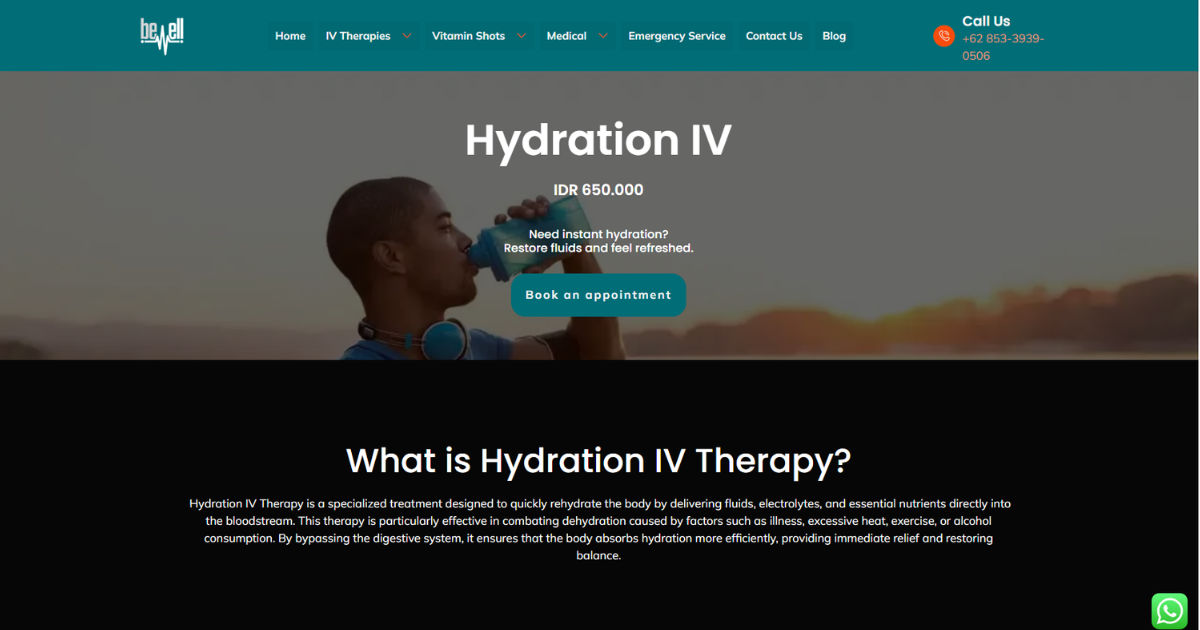
Unlike drinking water or sports drinks, this therapy delivers fluids directly into your bloodstream, allowing your body to absorb nutrients and hydration more efficiently.
Hydration IV drip therapy treatment is more than just a trend—it has a medical basis. Hospitals have used IV hydration for decades to treat patients suffering from severe dehydration, infections, or other illnesses.
Today, clinics and wellness centers offer this therapy to help individuals recover from common ailments like flu, cold, food poisoning, or hangovers.
By the end of this guide, you will understand how hydration IV drip therapy treatment works, its benefits, possible side effects, and whether it can help when you are sick.
How Hydration IV Drip Therapy Treatment Works
Hydration IV drip therapy treatment involves inserting a small tube, or catheter, into a vein, usually in the arm. This tube delivers a combination of fluids, electrolytes, vitamins, and minerals directly into the bloodstream.
Unlike oral hydration, which requires digestion and absorption through the stomach and intestines, IV therapy bypasses this process. This means nutrients and fluids are absorbed immediately, which can help your body recover faster from dehydration and sickness.
The fluid mixture in hydration IV drip therapy treatment varies depending on your needs. Common components include:
- Saline solution: A mixture of salt and water that replenishes lost fluids.
- Electrolytes: Minerals like sodium, potassium, and magnesium that regulate bodily functions.
- Vitamins: Vitamins B and C are common, supporting immunity and energy levels.
- Other additives: Some clinics include amino acids or antioxidants to target fatigue or inflammation.
Typically, a session lasts between 30 minutes and an hour. The therapy is usually performed under medical supervision to ensure safety and proper dosage.
Benefits of Hydration IV Drip Therapy Treatment
Hydration IV drip therapy treatment can offer several advantages for people who are sick or dehydrated.
Rapid Rehydration
One of the main benefits is quick rehydration. When you are sick with the flu, vomiting, or diarrhea, your body loses water and essential minerals rapidly. Drinking fluids alone may not be enough to restore balance. Hydration IV drip therapy treatment delivers fluids directly to your bloodstream, helping you feel better faster.
Boosted Energy and Recovery
Many IV drip solutions contain B vitamins and other nutrients that help boost energy levels. When your body is fighting an infection, it often feels fatigued. Hydration IV drip therapy treatment can provide a direct nutrient boost, supporting faster recovery and reducing feelings of weakness.
Immune Support
Some hydration IV drip therapy treatments are specifically formulated with vitamins and antioxidants that strengthen the immune system. Vitamin C, in particular, is known for its immune-boosting properties. This makes IV therapy an appealing option for people recovering from colds, flu, or other minor illnesses.
Reduced Symptoms of Illness
Hydration IV drip therapy treatment can also help alleviate symptoms such as headaches, dizziness, nausea, and dry mouth, which are often caused by dehydration. By restoring fluids and electrolytes efficiently, it helps your body regain balance and reduces discomfort.
Customizable Treatments
Another advantage is customization. Healthcare providers can adjust the ingredients of hydration IV drip therapy treatment based on your specific condition. For instance, if you are sick with a stomach virus, your drip may focus on rehydration and electrolyte replacement. If you have fatigue from a cold or flu, vitamins and antioxidants may be added.
Who Can Benefit From Hydration IV Drip Therapy Treatment
Hydration IV drip therapy treatment is generally safe for many people, but it is especially useful for certain conditions:
- Flu or cold: Helps restore fluids lost due to fever or sweating.
- Gastrointestinal illnesses: Vomiting and diarrhea cause rapid dehydration that IV therapy can address.
- Hangovers or fatigue: Provides quick rehydration and nutrient replenishment.
- Post-surgery or intense physical activity: Rehydrates and restores electrolytes lost during recovery or exercise.
It’s important to note that hydration IV drip therapy treatment is not a replacement for medical treatment for serious illnesses. For severe infections, chronic illnesses, or high fevers, consulting a doctor is essential.
How Hydration IV Drip Therapy Treatment Can Help When Sick
When you’re sick, your body undergoes several physiological changes. Fever, vomiting, diarrhea, or lack of appetite can quickly lead to dehydration and nutrient deficiencies. Hydration IV drip therapy treatment can address these issues directly.
Fighting Dehydration
Dehydration occurs when the body loses more fluids than it takes in. This can happen quickly during illnesses involving vomiting, diarrhea, or high fever. Symptoms include dizziness, headache, dry mouth, and low energy. Hydration IV drip therapy treatment replenishes fluids rapidly, helping your body regain its balance and function.
Supporting Nutrient Deficiency
Illness often leads to a lack of essential nutrients because your body uses them faster than usual. For example, your immune system consumes more vitamin C and B vitamins during infections. Hydration IV drip therapy treatment provides these nutrients directly into the bloodstream, supporting immune function and energy production.
Reducing Recovery Time
Since hydration IV drip therapy treatment delivers fluids and nutrients efficiently, it can reduce recovery time. When your body is hydrated and nutrient-rich, it can focus on fighting infections rather than struggling to maintain essential functions. Many people report feeling less fatigued and more alert after IV therapy sessions.
Alleviating Symptoms
Hydration IV drip therapy treatment can help relieve common symptoms of illness. Headaches, dizziness, and muscle cramps are often caused by dehydration. Replenishing fluids and electrolytes directly can reduce these symptoms, making the sick person feel more comfortable.
Risks and Considerations of Hydration IV Drip Therapy Treatment
Although hydration IV drip therapy treatment is generally safe, there are some considerations to keep in mind.
Potential Side Effects
Some people may experience minor side effects such as:
- Slight bruising at the insertion site
- Mild pain or swelling
- Temporary dizziness during or after the infusion
Severe reactions are rare but can occur if the solution is contaminated or if the individual has an underlying medical condition.
Medical Supervision Required
It’s important to undergo hydration IV drip therapy treatment under medical supervision. A trained professional ensures that the right type and amount of fluids are delivered, reducing the risk of complications. Overhydration or incorrect electrolyte balance can be harmful, especially for people with kidney or heart problems.
Not a Replacement for Medical Treatment
While hydration IV drip therapy treatment can support recovery, it does not cure underlying illnesses. For serious infections, persistent vomiting, or high fevers, professional medical care is essential. IV therapy should be considered a complementary treatment rather than a standalone solution.
Types of Hydration IV Drip Therapy Treatment
There are different types of hydration IV drip therapy treatments available depending on your needs:
- Standard hydration drips: Focus on replenishing fluids and electrolytes.
- Vitamin-infused drips: Include vitamins such as B12 and C to boost immunity and energy.
- Recovery drips: Target fatigue, hangovers, and post-exercise recovery with a mix of electrolytes, vitamins, and amino acids.
- Immune support drips: Include antioxidants and nutrients designed to enhance immune response during illness.
Healthcare providers can help determine which type is best for your specific condition.
How Often Can You Get Hydration IV Drip Therapy Treatment?
The frequency of hydration IV drip therapy treatment depends on your health status and needs. Some people may benefit from a single session when sick, while others may require multiple sessions over several days for chronic dehydration or nutrient deficiencies.
Medical guidance is essential to avoid overuse. Excessive IV therapy can lead to electrolyte imbalance, vein irritation, or other complications.
Home Remedies vs. Hydration IV Drip Therapy Treatment
While drinking water, herbal teas, and electrolyte drinks are effective for mild dehydration, they may not be sufficient when you’re severely sick. Hydration IV drip therapy treatment bypasses digestion, providing immediate hydration and nutrients to your bloodstream.
This does not mean you should abandon traditional methods. Oral hydration is still important, especially between IV therapy sessions, to maintain fluid balance. IV therapy works best as a supplement to other hydration methods, not as a sole solution.
What to Expect During a Hydration IV Drip Therapy Treatment Session
A typical session includes:
- Assessment: A medical professional evaluates your health, hydration status, and needs.
- Preparation: A catheter is inserted into your vein, and the IV solution is prepared.
- Infusion: Fluids, vitamins, and electrolytes are delivered over 30–60 minutes.
- Monitoring: Your response is monitored, and adjustments are made if necessary.
- Post-session care: You may be advised to rest and continue oral hydration.
Most people feel relaxed during the session, and some even experience an energy boost afterward.
Scientific Evidence and Expert Opinions
Research on hydration IV drip therapy treatment shows mixed results. Hospitals have used IV therapy for decades to treat dehydration, and its effectiveness in clinical settings is well-established. For wellness and minor illness recovery, evidence is more anecdotal.
Experts agree that IV therapy can be beneficial for rapid rehydration and nutrient supplementation. However, they emphasize that it should not replace standard medical care for serious conditions.
Some studies suggest that IV vitamin therapy can support energy levels and immune function, but more research is needed to determine its long-term benefits for common illnesses.
Cost and Accessibility
Hydration IV drip therapy treatment is available in wellness clinics, urgent care centers, and some hospitals. Costs vary widely depending on location, ingredients, and clinic reputation. On average, a session may range from $100 to $300.
Insurance typically does not cover IV therapy for minor illnesses unless medically necessary, such as severe dehydration or hospital treatment. It’s important to verify pricing and understand what is included in the session.
Conclusion
Hydration IV drip therapy treatment offers a fast and effective way to rehydrate and replenish essential nutrients when you’re sick. It can help reduce fatigue, relieve symptoms, and support recovery. While it is not a cure for illness, it is a valuable complementary therapy for dehydration, immune support, and general wellness.
When considering this therapy, it is essential to:
- Seek professional guidance
- Understand your body’s specific needs
- Use it as a supplement to traditional hydration and medical treatment
If used responsibly, hydration IV drip therapy treatment can be a safe and effective tool for recovery, helping your body feel stronger and healthier faster.
In conclusion, hydration IV drip therapy treatment is a modern wellness solution that delivers fluids, electrolytes, and vitamins directly to the bloodstream, supporting rapid recovery when sick. Its benefits include fast rehydration, improved energy, immune support, and symptom relief. However, it should always be used under medical supervision and not as a replacement for proper medical care.