
Roofing replacement is one of the biggest decisions a homeowner will ever face, and knowing when it is the right choice instead of a simple repair can save you a lot of money, stress, and future damage.
Many people delay Roofing replacement because they hope small fixes will last longer, but that is not always the safest or most cost-effective option. In some cases, repeated repairs actually cost more than a full Roofing replacement over time.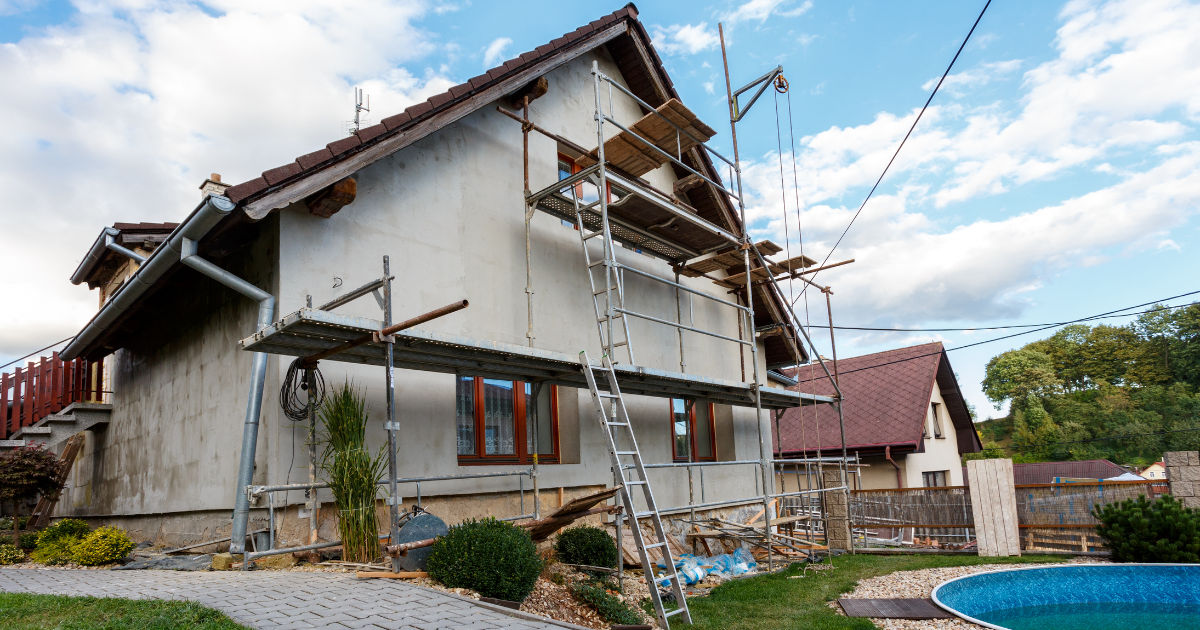
Understanding when Roofing replacement is better than repair depends on several factors like age of the roof, type of damage, cost of repairs, and long-term safety.
Homeowners often struggle to decide because both options can seem reasonable at first glance. However, choosing wisely can protect your home structure, prevent leaks, and improve energy efficiency.
In this guide, we will break down clear signs, expert considerations, and practical comparisons to help you decide when Roofing replacement becomes the smarter investment.
You will also learn how to evaluate roof condition, understand material lifespan, and calculate when repair stops making sense.
By the end, you will have a complete understanding of when Roofing replacement is truly necessary and when a simple repair is enough to keep your roof in good condition.
The Difference Between Repair and Full Replacement
Before deciding on Roofing replacement, it is important to understand what separates repair from full replacement. Repairs focus on fixing small, localized issues such as missing shingles, minor leaks, or small damaged sections. These fixes are usually quick and cost less upfront.
However, Roofing replacement involves removing the entire existing roof and installing a new system. This process addresses hidden damage, structural weaknesses, and aging materials that repairs cannot fully solve.
A repair may seem convenient, but if your roof has multiple weak points, Roofing replacement becomes the more reliable long-term solution. Instead of repeatedly patching problems, a full replacement resets the condition of your entire roofing system.
In many cases, homeowners start with repairs but eventually move toward Roofing replacement when issues keep returning. This transition often signals that the roof has reached the end of its useful life.
Signs That Roofing Replacement Is a Better Option
1. Frequent Leaks
If your roof leaks repeatedly even after repairs, it is a strong sign that Roofing replacement is needed. One leak may be fixable, but multiple recurring leaks indicate deeper structural problems.
Water can travel through hidden pathways, damaging insulation and wooden structures. At this point, Roofing replacement is more effective than continuing patchwork repairs.
2. Shingle Damage Across Large Areas
When shingles are cracked, curling, or missing across large sections, repair becomes less practical. Instead of fixing small areas repeatedly, Roofing replacement ensures uniform protection.
Widespread shingle damage usually means the roofing material has aged significantly. In such cases, Roofing replacement restores full coverage and durability.
3. Roof Age Exceeds Lifespan
Every roofing material has a lifespan. Asphalt shingles typically last 20–25 years. If your roof is near or beyond this age, Roofing replacement is usually the smarter choice.
Even if there are no visible issues, older roofs are more vulnerable to sudden failure. Planning Roofing replacement early prevents emergency situations.
4. Sagging Roof Structure
A sagging roof is a serious warning sign. It often indicates structural weakening beneath the surface. In this case, Roofing replacement is not optional but necessary.
Sagging may be caused by moisture damage, rot, or long-term stress. Only Roofing replacement can properly address these hidden issues.
5. Rising Repair Costs
If you find yourself paying for frequent repairs, those costs can quickly add up. At some point, Roofing replacement becomes more cost-effective.
A good rule is that if repair costs exceed 30–40% of a new roof, Roofing replacement is the better investment.
Age and Material Impact on Roofing Replacement Decision
Different materials have different lifespans, and this plays a major role in deciding on Roofing replacement.
Asphalt shingles are common but wear out faster compared to metal or tile roofs. Metal roofs can last 40–70 years, reducing the need for early Roofing replacement.
If your roof is made of older or low-durability materials, Roofing replacement becomes more likely as time passes. Weather exposure, sunlight, and rain all reduce material strength over the years.
Even high-quality materials eventually require Roofing replacement when they reach the end of durability. Understanding material lifespan helps you plan ahead instead of reacting to damage.
Cost Comparison: Repair vs Roofing Replacement
Cost is one of the biggest factors in choosing Roofing replacement over repair.
Repairs are cheaper upfront, but they may need to be repeated multiple times. Over the years, this can exceed the cost of a full Roofing replacement.
On the other hand, Roofing replacement requires a higher initial investment but provides long-term savings. A new roof reduces maintenance needs and improves energy efficiency.
If your roof requires constant attention, switching to Roofing replacement can reduce long-term financial stress.
Homeowners often realize that spending more once on Roofing replacement is better than paying small amounts repeatedly for repairs.
Extent of Damage and Structural Concerns
Minor Damage
Small issues like a few missing shingles or localized leaks can usually be handled without Roofing replacement. These repairs are quick and effective when the rest of the roof is in good condition.
Moderate Damage
When damage spreads across multiple areas, repair becomes less reliable. This is where Roofing replacement starts becoming a serious consideration.
At this stage, underlying materials may also be weakened, making repairs temporary at best.
Severe Damage
If the roof has widespread rot, mold, or structural weakness, Roofing replacement is the only safe solution. Severe damage affects the entire roofing system, not just the surface.
Ignoring severe damage can lead to interior home damage, making Roofing replacement urgent.
Energy Efficiency and Roofing Replacement
An often overlooked reason for Roofing replacement is energy efficiency. Older roofs often allow heat loss or heat gain, increasing electricity bills.
A new roof improves insulation and reduces energy waste. This makes Roofing replacement not only a structural upgrade but also a financial benefit.
Modern roofing materials are designed to reflect heat and maintain indoor temperature stability. This adds long-term value to Roofing replacement.
Weather and Environmental Factors
Climate plays a big role in roof durability. Areas with heavy rain, strong winds, or extreme temperatures often require more frequent Roofing replacement.
Storm damage can weaken roofing materials even if the damage is not immediately visible. Over time, this leads to hidden problems that only Roofing replacement can solve.
If your area experiences harsh weather conditions, planning for Roofing replacement earlier can prevent unexpected failures.
When Repairs Still Make Sense
Not every issue requires Roofing replacement. Repairs are still useful in many situations.
If your roof is relatively new and damage is limited to a small section, repair is usually enough. In these cases, Roofing replacement would be unnecessary and expensive.
Routine maintenance and timely small repairs can extend the life of your roof and delay Roofing replacement.
The key is to assess whether the damage is isolated or part of a larger pattern.
Decision Checklist for Homeowners
Before choosing Roofing replacement, consider the following:
- Is your roof older than 20 years?
- Are leaks happening repeatedly?
- Are repairs becoming frequent?
- Is there visible sagging?
- Are shingles damaged across large areas?
- Are energy bills increasing?
If most answers are yes, then Roofing replacement is likely the best option.
This checklist helps homeowners make a logical decision instead of guessing.
Long-Term Benefits of Roofing Replacement
Choosing Roofing replacement provides several long-term advantages. It improves home safety, increases property value, and reduces maintenance costs.
A new roof also enhances curb appeal, making your home more attractive to buyers. In real estate markets, homes with recent Roofing replacement often sell faster.
Another benefit is peace of mind. Instead of worrying about leaks or damage, Roofing replacement gives long-lasting protection.
Over time, the value gained from Roofing replacement outweighs the initial cost.
Common Mistakes Homeowners Make
One common mistake is delaying Roofing replacement too long. Small issues are ignored until they become major structural problems.
Another mistake is relying only on short-term repairs without considering full Roofing replacement when needed.
Some homeowners also underestimate hidden damage. Even if the surface looks fine, internal issues may require Roofing replacement.
Avoiding professional inspection is another mistake that can lead to poor decisions about Roofing replacement.
Final Evaluation: Repair or Replacement?
The decision between repair and Roofing replacement depends on condition, age, cost, and safety.
If damage is minor and the roof is young, repair is sufficient. But if issues are repeated, widespread, or structural, Roofing replacement is the better choice.
Thinking long-term is important. While repair solves immediate problems, Roofing replacement ensures lasting protection.
A well-timed Roofing replacement can prevent future expenses and protect your home more effectively.
Conclusion
Deciding when to choose Roofing replacement over repair is not always simple, but it becomes clear when you evaluate the condition, age, and cost of your roof. Small repairs are useful in the short term, but they cannot solve deeper structural problems that develop over time.
When leaks become frequent, shingles are widely damaged, or the roof reaches the end of its lifespan, Roofing replacement becomes the most practical and cost-effective solution. It improves safety, increases energy efficiency, and adds long-term value to your home.
Instead of waiting for severe damage, homeowners should actively monitor roof condition and plan for Roofing replacement when warning signs appear. This proactive approach prevents costly emergencies and ensures stronger protection for your home.
In the end, while repairs can extend roof life temporarily, Roofing replacement provides a complete reset that guarantees durability and peace of mind for years to come.