
Racing is an adrenaline-filled sport, and the gear you wear can make a huge difference in both performance and safety. Among this gear, High-Quality Leather racing suits play a crucial role.
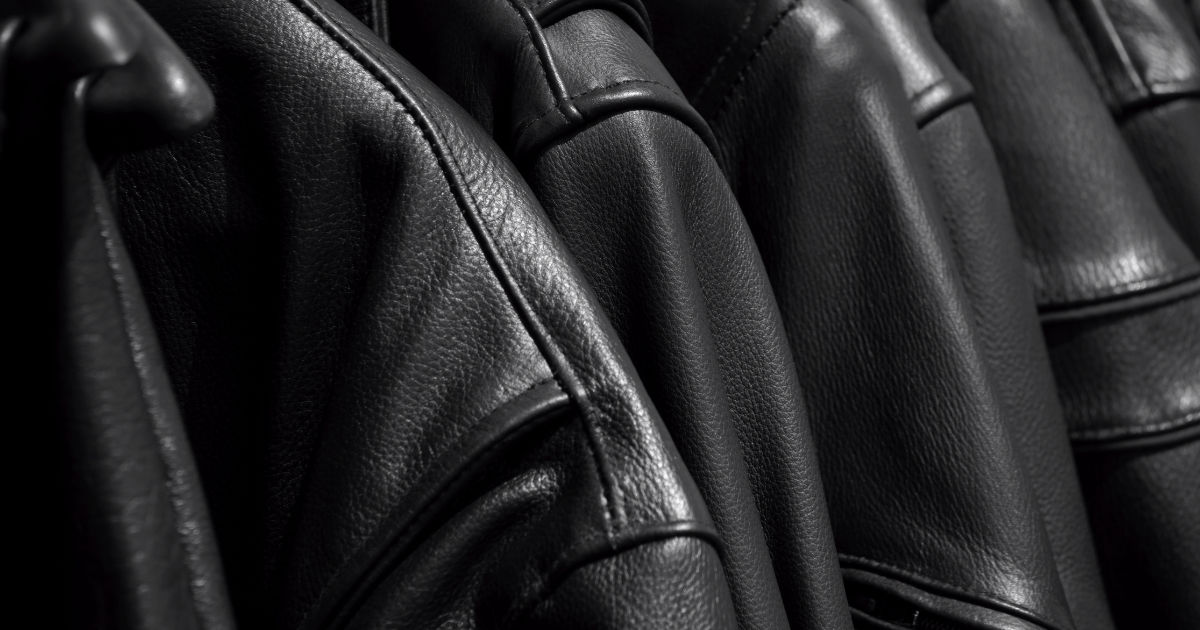
These suits not only protect riders from injuries but also enhance comfort and aerodynamics. However, like any high-performance equipment, they require proper care to ensure they last long and remain effective.
In this guide, we will explore everything you need to know about maintaining your racing suit, from cleaning to storage, and practical tips that will keep your suit in top shape for years.
Your Racing Suit
Before diving into maintenance, it’s essential to understand what makes up High-Quality Leather racing suits. Most racing suits are made from premium leather, often combined with stretch panels for flexibility. They come with padding and armor in critical areas like shoulders, elbows, knees, and back. These suits are designed to withstand high-speed friction, heat, and impact, but improper care can reduce their protective qualities.
High-Quality Leather racing suits also include zippers, vents, and sometimes lining materials like mesh or moisture-wicking fabric. Each of these components requires special attention during cleaning and maintenance to prevent damage. Understanding the structure of your suit helps you take care of it effectively.
Why Maintenance Matters
Regular maintenance extends the life of your racing suit and ensures your safety. Leather, while durable, can dry out, crack, or stiffen over time if not treated properly. Dirt, sweat, and chemicals can also degrade the material, affecting both appearance and performance.
Moreover, racing suits are an investment. High-Quality Leather racing suits are often expensive, and maintaining them correctly preserves their value. A well-maintained suit is more comfortable, fits better, and provides optimal protection during rides.
Cleaning Your Racing Suit
Proper cleaning is the foundation of racing suit maintenance. Cleaning removes dirt, grime, and sweat that can damage leather over time.
Surface Cleaning
After each ride, it’s important to wipe down the suit with a soft, damp cloth. Focus on areas prone to sweat accumulation, such as the underarms, back, and inner thighs. Avoid using excessive water, as leather can absorb moisture and weaken.
For stubborn dirt or stains, use a leather cleaner specifically designed for High-Quality Leather racing suits. Apply a small amount to a cloth and gently rub the stained area. Avoid harsh chemicals, alcohol, or household cleaners, as these can strip the leather of its natural oils and cause cracks.
Deep Cleaning
Occasionally, your suit may require a more thorough cleaning. Start by removing any removable liners or armor if possible. Clean these components separately according to the manufacturer’s instructions.
For the leather exterior, use a mild leather cleaner and a soft brush or sponge. Work in small circular motions and make sure the leather is not soaked. After cleaning, wipe off any residue with a clean, damp cloth. Allow the suit to air dry naturally, away from direct sunlight or heat sources, which can cause leather to shrink or stiffen.
Conditioning Your Leather
Leather is natural and needs to retain its moisture to remain flexible and durable. Conditioning your High-Quality Leather racing suits is essential to prevent drying, cracking, and stiffness.
Apply a leather conditioner every few months or whenever the suit feels dry. Use a small amount and apply it evenly with a soft cloth. Make sure to cover all areas, including seams and creases, but avoid over-conditioning, as excess oil can make the leather sticky or attract dirt.
Conditioning also helps maintain the suit’s appearance, keeping it shiny and supple. Some riders even use natural products like beeswax-based conditioners for additional protection against the elements.
Zipper and Hardware Care
High-Quality Leather racing suits come with zippers, snaps, and other hardware that can wear out or corrode over time. Keeping these components in good condition ensures your suit remains functional and comfortable.
Lubricate zippers with a silicone-based lubricant or specialized zipper wax to prevent sticking and reduce wear. Avoid using oil-based products, as they can stain leather. Check snaps and velcro closures regularly for signs of wear or damage. Replace any broken components promptly to prevent further damage to the suit.
Dealing with Sweat and Odors
Racing is physically demanding, and sweating is inevitable. Sweat can be absorbed by leather and lining materials, leading to unpleasant odors and potential deterioration.
After each ride, hang your suit in a well-ventilated area to allow it to air out. Avoid folding it while damp, as this can cause creases and mildew. Some riders use moisture-absorbing packs or activated charcoal bags inside the suit to reduce humidity and odors.
For persistent odors, lightly spray the interior with a leather-safe deodorizer or use natural solutions like diluted vinegar or baking soda. Always test any solution on a small area first to ensure it doesn’t damage the material.
Storage Tips
Proper storage is key to maintaining the shape and longevity of your High-Quality Leather racing suits.
Store your suit on a wide, padded hanger to support the shoulders and prevent stretching. Avoid wire hangers, as they can deform the leather. Keep the suit in a cool, dry place away from direct sunlight, which can fade and dry out leather.
If storing for a long period, consider covering the suit with a breathable garment bag. Avoid plastic covers, as they trap moisture and can promote mold growth. Occasionally check the suit during storage to ensure it remains in good condition and reapply conditioner if needed.
Repairing Minor Damage
Even with careful maintenance, racing suits can sustain minor damage, such as scuffs, scratches, or small tears. Addressing these issues early prevents them from worsening.
For minor scuffs, use a leather conditioner or polish to restore the surface. Small scratches can often be gently rubbed out with a soft cloth. For tears or more significant damage, consult a professional leather repair service. Attempting DIY repairs with glue or tape may worsen the problem and compromise the suit’s safety features.
Avoiding Common Mistakes
Many riders unintentionally damage their racing suits through common mistakes. Avoid these pitfalls:
-
Excessive heat: Never dry leather suits with a hairdryer or heater. Heat can cause shrinkage and stiffness.
-
Over-washing: Frequent washing or soaking damages leather and removes natural oils.
-
Using harsh chemicals: Household cleaners, bleach, or alcohol-based products can permanently damage leather.
-
Improper folding: Folding can cause creases and weaken seams. Always hang your suit when not in use.
Regular Inspections
Routine inspections are essential for safety and longevity. Check seams, stitching, armor placement, and leather integrity regularly. Look for signs of wear, thinning, or cracks. Early detection allows you to take corrective action before minor issues become major problems.
Professional Maintenance
For riders who invest heavily in High-Quality Leather racing suits, professional maintenance can be worthwhile. Leather specialists can deep clean, condition, repair, and even restore the suit to near-new condition. This ensures your suit performs optimally and maintains its protective qualities.
Maintaining Performance Features
Some racing suits include perforated panels, ventilation systems, or stretch zones for improved mobility. Take care when cleaning these areas, as harsh scrubbing or soaking can damage the performance features. Use soft brushes and gentle cleaners to maintain both the leather and functional elements.
Tips for Longevity
-
Always put on your suit carefully, avoiding sharp objects or excessive force that could tear leather.
-
Use protective underlayers to reduce sweat absorption and friction inside the suit.
-
Rotate between multiple suits if possible to allow each one to rest and dry completely between rides.
-
Keep a maintenance schedule and note when each suit was cleaned, conditioned, or repaired.
Conclusion
Maintaining High-Quality Leather racing suits is not just about keeping them looking good—it’s about ensuring safety, comfort, and performance. Proper cleaning, conditioning, hardware care, storage, and inspection are key steps that every rider should follow. Avoiding common mistakes, addressing minor damage promptly, and considering professional maintenance will prolong the life of your suit and protect your investment.
By following these practices, riders can enjoy peak performance, maximum safety, and the luxurious feel of High-Quality Leather racing suits for years to come. Whether you’re a casual rider or a professional racer, taking care of your suit is as important as honing your skills on the track. With patience and consistent maintenance, your racing suit will continue to protect, perform, and impress.