
Online gaming has become a major part of modern childhood and teenage entertainment. Many young people spend time playing games on smartphones, computers, and gaming consoles.
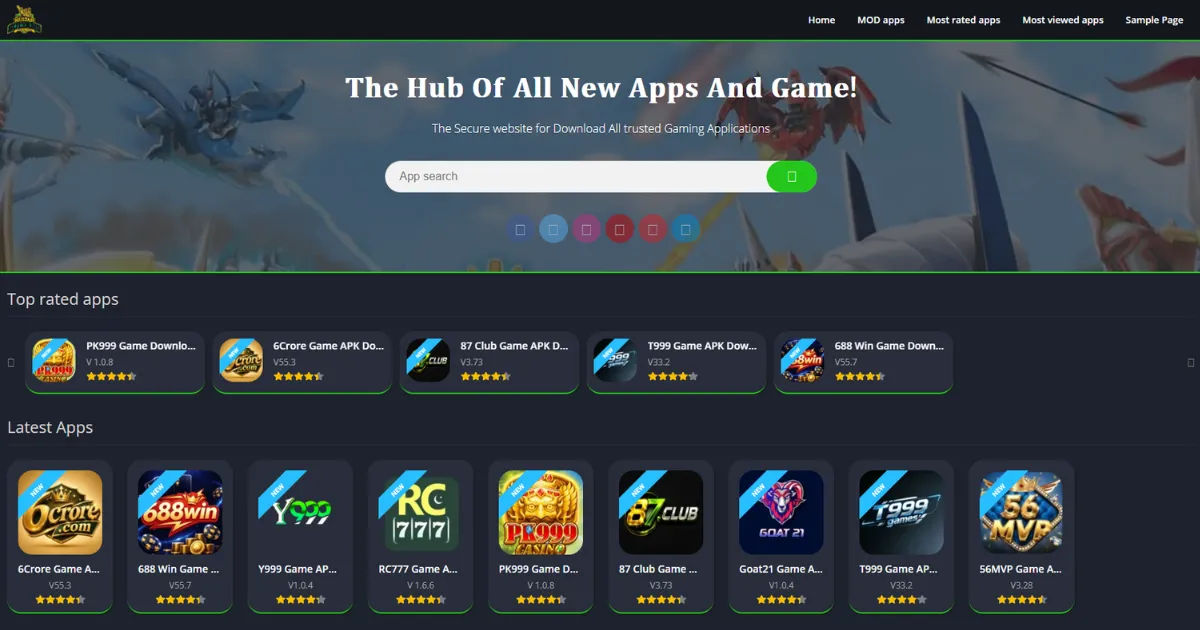
Platforms such as Dk11 Game represent the growing popularity of digital gaming experiences that attract players with interactive features, challenges, and social connections.
For parents, understanding online gaming is important because it can bring both benefits and risks. Games can improve problem-solving skills, creativity, teamwork, and decision-making abilities. However, excessive gaming, unsafe online interactions, and poor digital habits can create challenges.
Parents do not need to completely reject gaming. Instead, they should learn how online games work, understand their children’s gaming habits, and create healthy boundaries. Whether children play casual games or platforms like Dk11 Game, guidance and communication are the keys to a positive gaming experience.
Online Gaming
Online gaming refers to video games that connect players through the internet. Unlike traditional offline games, online games allow people to compete, cooperate, communicate, and share experiences with other players around the world.
Many online games include different features such as multiplayer modes, ranking systems, rewards, virtual items, and community interactions. Games like Dk11 Game are designed around engagement, encouraging players to return regularly and participate in different activities.
The popularity of online gaming has increased because internet access and smartphones have become widely available. Children can easily download games and connect with other players within minutes.
For parents, the first step is understanding that online gaming is not simply about playing. It is also about digital communication, online behavior, privacy, and responsible technology use.
Why Do Children Enjoy Online Games?
Children and teenagers enjoy online games for many reasons. Games provide entertainment, excitement, and a sense of achievement.
Many games allow players to complete missions, improve skills, unlock new levels, and overcome challenges. This progress creates motivation and satisfaction.
Social interaction is another important reason. Many young players enjoy talking with friends while playing multiplayer games. Online gaming can create friendships and teamwork opportunities.
Games like Dk11 Game often attract players because they provide engaging gameplay and interactive experiences. The feeling of progress and competition can make digital games appealing to younger audiences.
Parents should understand these interests instead of assuming that all gaming is harmful. Learning why children enjoy games can help parents guide them more effectively.
Benefits of Online Gaming for Children
When used responsibly, online gaming can provide several benefits. Many educational researchers have explored how games can support learning and skill development.
Improves Problem-Solving Skills
Many games require players to analyze situations, make decisions, and find solutions. These activities can improve logical thinking and strategic planning.
A child playing a challenging game must often think ahead and adjust their approach. This type of mental exercise can support cognitive development.
Encourages Creativity
Some online games allow players to build, design, and create their own experiences. Creative games encourage imagination and experimentation.
Children can learn how different systems work and develop innovative thinking through gameplay.
Builds Teamwork
Multiplayer games require cooperation between players. Children learn communication, teamwork, and leadership skills when working toward shared goals.
Even competitive games can teach patience, discipline, and sportsmanship when played correctly.
Develops Technology Skills
Gaming can help children become familiar with digital tools. Understanding online platforms, controls, and communication systems can improve digital confidence.
However, parents should ensure that technology use remains balanced.
Potential Risks of Online Gaming
Although online gaming has benefits, parents should also understand possible risks. Responsible supervision is necessary to prevent unhealthy habits.
Excessive Screen Time
One of the biggest concerns is spending too much time playing games. Long gaming sessions can affect sleep, physical activity, school performance, and family interaction.
Children who spend many hours on platforms like Dk11 Game without limits may struggle to maintain a healthy routine.
Parents should create clear schedules that include time for homework, exercise, hobbies, and social activities.
Online Safety Concerns
Online games often include chat features and interactions with strangers. Children may share personal information without understanding the risks.
Parents should teach children never to reveal private details such as their full name, address, school information, passwords, or family details.
When using platforms like Dk11 Game, children should understand the importance of privacy settings and safe online behavior.
Exposure to Inappropriate Content
Some online games may contain violence, mature themes, or language that is unsuitable for younger players.
Parents should check game ratings and understand the type of content their children are accessing.
Not every popular game is appropriate for every age group.
Online Bullying
Cyberbullying can occur in gaming communities. Players may experience insults, harassment, or unfair treatment from others.
Parents should encourage children to report harmful behavior and discuss any uncomfortable experiences.
A child playing Dk11 Game or another online platform should know that respectful communication is always important.
How Parents Can Manage Online Gaming
The goal should not be to completely remove gaming but to create healthy gaming habits.
Set Clear Gaming Rules
Parents should establish reasonable limits on when and how long children can play.
Rules may include:
-
No gaming during homework time
-
No late-night gaming
-
Taking regular breaks
-
Completing responsibilities before playing
Consistency is important. Children should understand that gaming is one part of life, not the entire routine.
Learn About the Games Your Child Plays
Parents should take interest in the games their children enjoy. Learning about platforms such as Dk11 Game can help parents understand features, risks, and appropriate usage.
Ask questions like:
-
What do you enjoy about this game?
-
Who do you play with?
-
What challenges do you experience?
-
How does the game work?
Open conversations create trust between parents and children.
Encourage Balance
Healthy gaming requires balance. Children should have time for physical activity, education, friendships, family relationships, and creative hobbies.
Gaming should support a healthy lifestyle rather than replace important activities.
Parents can encourage outdoor activities, reading, sports, and other interests alongside gaming.
Understanding In-Game Purchases
Many online games include purchases for virtual items, upgrades, or special features.
Children may not always understand that digital purchases involve real money. Parents should explain financial responsibility.
If a child uses a platform like Dk11 Game, parents should understand whether it includes payment features and set appropriate restrictions.
Using parental controls and discussing money management can prevent unexpected expenses.
The Importance of Digital Responsibility
Digital responsibility means understanding how to behave safely and respectfully online.
Children should learn that their online actions matter. Messages, comments, and interactions can affect other people.
Parents should teach important digital habits:
-
Respect other players
-
Avoid harmful language
-
Protect personal information
-
Report unsafe behavior
-
Think before sharing content
These lessons apply to every online platform, including gaming environments like Dk11 Game.
How to Talk to Children About Gaming
Communication is one of the most effective parenting tools.
Instead of only criticizing gaming, parents should create conversations about it.
Ask children about their favorite games and experiences. Showing interest can make children more comfortable sharing problems.
If a child feels judged, they may hide their gaming habits. A supportive approach encourages honesty.
Parents can discuss both positive and negative aspects of gaming. For example, they can recognize skills gained through games while also explaining the importance of limits.
Signs of Unhealthy Gaming Habits
Parents should watch for warning signs that gaming may be becoming a problem.
Possible signs include:
-
Ignoring school responsibilities
-
Losing interest in other activities
-
Becoming angry when asked to stop playing
-
Staying awake late to play games
-
Avoiding family and friends
-
Spending excessive money on games
If these behaviors appear, parents should discuss concerns calmly and create a healthier routine.
A child’s relationship with games such as Dk11 Game should remain positive and controlled.
Using Parental Controls Effectively
Many devices and gaming platforms provide parental control features.
These tools can help parents:
-
Limit screen time
-
Restrict purchases
-
Manage communication settings
-
Monitor activity
-
Block unsuitable content
Parental controls should support communication, not replace it.
Children also need education about making responsible choices independently.
Choosing Age-Appropriate Games
Parents should consider age ratings, content, and gameplay style before allowing children to play a game.
A game’s popularity does not always mean it is suitable for every child.
Researching games before use helps parents make better decisions. This includes understanding platforms like Dk11 Game, their features, and their audience.
Creating a Healthy Gaming Environment at Home
A healthy gaming environment includes rules, communication, and respect.
Parents can create positive habits by:
-
Playing games together when possible
-
Discussing online experiences
-
Setting technology-free family times
-
Encouraging breaks
-
Supporting other interests
Gaming can become a shared activity rather than a source of conflict.
The Future of Online Gaming and Parenting
Online gaming will continue to grow as technology develops. Virtual reality, artificial intelligence, and advanced multiplayer experiences will create new opportunities and challenges.
Parents who understand digital trends will be better prepared to guide their children.
The important lesson is that gaming itself is not automatically good or bad. The impact depends on how it is used.
Platforms like Dk11 Game show how modern gaming continues to evolve. With proper guidance, children can enjoy gaming while developing healthy digital habits.
Conclusion
Online gaming is an important part of today’s digital world. Parents should understand both the advantages and challenges associated with gaming.
Games can improve creativity, teamwork, and problem-solving skills when used responsibly. However, excessive play, unsafe interactions, and poor digital habits can create problems.
Parents should focus on communication, boundaries, safety, and balance. Learning about games such as Dk11 Game helps parents better understand what their children experience online.
The goal is not to remove gaming completely but to encourage responsible gaming habits. With proper guidance, children can enjoy online games while maintaining a healthy and balanced lifestyle.