
In today’s fast-paced digital world, businesses are always looking for ways to improve communication and engage customers instantly.
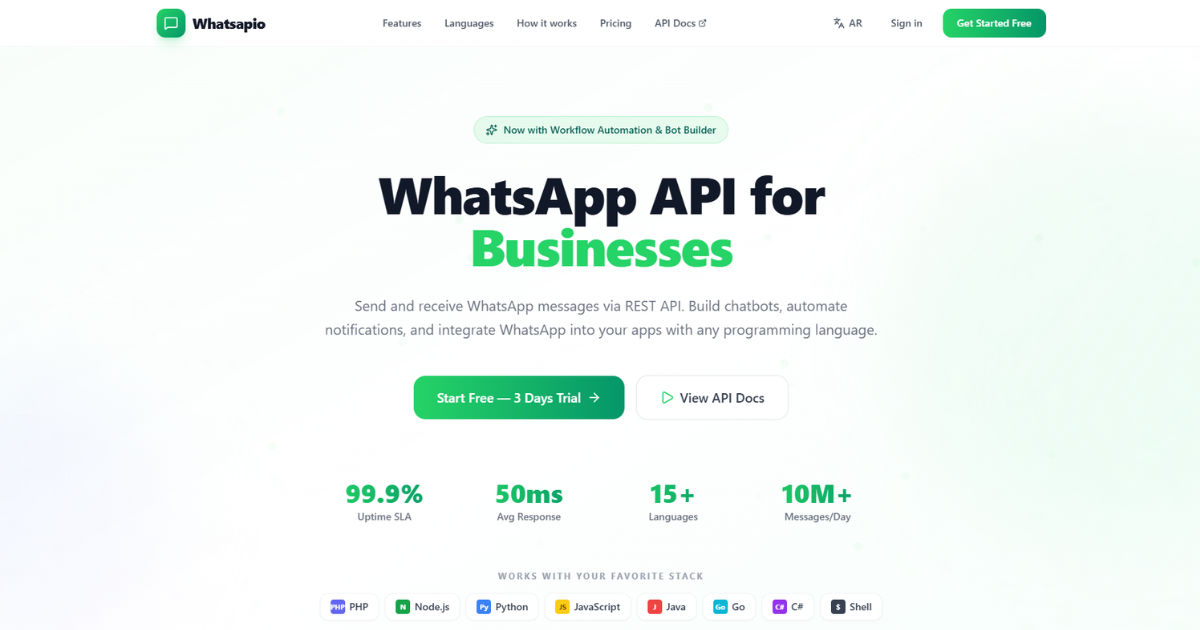 One of the most effective tools is a whatsapp chatbot for business. These chatbots allow companies to automate responses, provide instant support, and guide users through a structured workflow without needing human intervention 24/7.
If you’ve ever wondered how a WhatsApp chatbot workflow system works, this guide will explain it in a simple and detailed way.
A WhatsApp chatbot workflow system is more than just automated replies. It’s a structured process designed to interact with users intelligently. By understanding its components and logic, businesses can create effective communication strategies that save time, increase engagement, and improve customer satisfaction.
What is a WhatsApp Chatbot?
A WhatsApp chatbot is a software program that interacts with users on WhatsApp automatically. Unlike traditional messaging, which requires a human to reply, chatbots follow pre-designed workflows to answer questions, provide information, or even complete transactions.
Chatbots can range from simple systems that reply with fixed messages to advanced AI-driven solutions that understand user intent and provide personalized responses. For businesses, these tools are invaluable because they provide instant support and consistent communication across time zones.
Why Businesses Use WhatsApp Chatbots
Businesses use WhatsApp chatbots for several reasons:
- Instant Customer Support: Chatbots respond immediately to common queries like pricing, store hours, or product information.
- Cost Efficiency: Automating messages reduces the need for a large customer service team.
- Lead Generation: Chatbots can collect information from users, qualify leads, and even schedule appointments.
- Marketing and Engagement: Sending promotional messages, product updates, and personalized offers becomes easy.
- 24/7 Availability: Chatbots never sleep. They provide around-the-clock service to customers worldwide.
These benefits make the whatsapp chatbot for business a vital tool for modern companies aiming to stay competitive.
Components of a WhatsApp Chatbot Workflow System
Understanding how a WhatsApp chatbot works requires breaking down its key components:
1. User Input
Everything starts with the user. A chatbot workflow begins when a user sends a message or triggers a keyword. The system recognizes this input and decides the next step in the conversation. For example, a user might type “price list” or click on a quick reply button.
2. Message Parser
The message parser is the part of the chatbot that understands what the user is asking. Basic chatbots use keyword matching, while advanced chatbots leverage AI and natural language processing (NLP) to understand intent. This step is crucial because it determines how accurately the chatbot responds.
3. Workflow Logic
The workflow logic is like a roadmap for the conversation. It defines the sequence of messages, decision points, and possible outcomes. Workflows can be linear (simple step-by-step responses) or complex (branching paths based on user choices).
4. Response Generation
Once the chatbot identifies the user’s intent, it generates a response. Responses can be:
- Text messages – simple replies to user queries.
- Multimedia messages – images, videos, or documents.
- Interactive buttons – quick reply options, menus, or links to websites.
5. Backend Integration
Many WhatsApp chatbots connect to business databases, CRMs, or payment gateways. This allows the chatbot to provide real-time information, such as checking order status, booking appointments, or confirming payments.
6. Analytics and Reporting
A good chatbot workflow system also tracks interactions. Analytics help businesses understand customer behavior, measure engagement, and improve workflows over time.
How a WhatsApp Chatbot Workflow Functions
Let’s break down the workflow of a typical WhatsApp chatbot step by step.
Step 1: Greeting the User
Most chatbots start by greeting the user. A friendly opening message sets the tone and introduces available options. For example:
“Hello! Welcome to XYZ Store. How can I assist you today?
- Product Information
- Order Status
- Speak to an Agent”
This helps the chatbot guide the conversation and categorize user requests effectively.
Step 2: Identifying User Intent
After the greeting, the chatbot identifies the user’s intent. This step can be as simple as recognizing keywords or as advanced as analyzing full sentences with AI. For instance:
- If the user types “I want to check my order,” the chatbot understands it’s a request for order status.
- If the user asks, “Do you have blue shoes?” the system recognizes a product inquiry.
Step 3: Branching Workflow
Once the intent is identified, the chatbot moves through a branching workflow. Each branch represents a different path depending on user input. This allows for personalized and context-specific conversations.
Example:
- Product Inquiry Branch → Ask for product category → Show options → Provide product details
- Order Status Branch → Request order number → Check backend system → Return status
This branching ensures the chatbot feels interactive rather than robotic.
Step 4: Handling Exceptions
Not all user queries fit neatly into predefined workflows. Chatbots must handle exceptions gracefully. Common strategies include:
- Providing a default response: “I’m sorry, I didn’t understand. Can you please rephrase?”
- Escalating to a human agent if the query is too complex.
- Offering suggested keywords or quick reply buttons.
Step 5: Completing Actions
Advanced chatbots can perform actions beyond messaging. For example, a whatsapp chatbot for business can:
- Confirm an appointment
- Accept payment
- Send invoices
- Provide delivery updates
This step transforms chatbots from simple responders to active business tools.
Step 6: Collecting Feedback
Many chatbot workflows include a feedback stage. Asking users to rate their experience helps businesses improve and tailor future interactions.
Designing an Effective WhatsApp Chatbot Workflow
Creating a chatbot workflow requires careful planning. Here are some key tips:
1. Understand User Needs
Before designing the workflow, businesses must analyze common customer queries. This helps in designing relevant conversation paths.
2. Keep Conversations Short
Users prefer quick, concise responses. Long messages can feel overwhelming and reduce engagement.
3. Use Buttons and Quick Replies
Interactive elements make navigation easier and reduce the risk of user error.
4. Plan for Escalation
Not all queries can be automated. Always have a plan to connect users to human agents when needed.
5. Test and Iterate
Chatbot workflows should be tested frequently to ensure smooth performance. Collect data, identify bottlenecks, and improve the system.
Technologies Behind WhatsApp Chatbots
Understanding the technology helps businesses appreciate how workflows function.
Natural Language Processing (NLP)
NLP allows chatbots to understand and interpret human language. It identifies user intent and extracts relevant data from messages.
APIs and Integrations
WhatsApp Business API is the backbone of most chatbots. It allows businesses to connect the chatbot to the WhatsApp platform securely. Other integrations include:
- CRM systems
- Payment gateways
- Inventory management software
AI and Machine Learning
Advanced chatbots use AI to learn from interactions. Over time, they become better at understanding complex queries and predicting user needs.
Benefits of Using WhatsApp Chatbots for Business
Implementing a whatsapp chatbot for business offers several advantages:
- Enhanced Customer Experience: Instant, personalized communication improves satisfaction.
- Operational Efficiency: Automating repetitive tasks reduces workload for employees.
- Higher Conversion Rates: Quick responses and guided workflows lead to faster decision-making.
- Global Reach: WhatsApp is used worldwide, making it ideal for international business.
- Data-Driven Insights: Analytics help businesses understand customer behavior and refine strategies.
Common Use Cases for WhatsApp Chatbots
Customer Support
Automate responses to FAQs, reducing the time human agents spend on repetitive queries.
Sales and Marketing
Share product catalogs, run promotions, and send updates directly to customers’ WhatsApp.
Appointment Booking
Allow users to schedule appointments through simple interactions.
Payment and Transactions
Securely accept payments and confirm orders via WhatsApp.
Surveys and Feedback
Collect opinions and ratings to improve service quality.
Best Practices for WhatsApp Chatbot Workflows
- Personalize Messages: Use the user’s name or previous interactions.
- Maintain Brand Voice: Keep the tone consistent with your brand.
- Prioritize Quick Navigation: Use menus, buttons, and options for smooth interaction.
- Ensure Privacy: Safeguard user data according to WhatsApp policies.
- Monitor Performance: Use analytics to track engagement, response rates, and satisfaction.
Challenges of WhatsApp Chatbots
While chatbots offer numerous benefits, they come with challenges:
- Misinterpretation of complex queries
- Limitations in AI understanding context
- Over-reliance on automation, potentially reducing human touch
- Compliance with WhatsApp Business policies
- Initial setup and workflow design complexity
Businesses must balance automation with human support to overcome these challenges.
Future of WhatsApp Chatbot Workflow Systems
The future of WhatsApp chatbots is promising. With advancements in AI, NLP, and machine learning, chatbots will become:
- More conversational and human-like
- Capable of understanding emotions and sentiment
- Integrated with more business tools and platforms
- Proactive in reaching out to users with timely suggestions
Businesses adopting chatbots now will be well-positioned for future innovations in automated communication.
Conclusion
A whatsapp chatbot for business is more than just a messaging tool—it’s a complete workflow system that automates communication, improves efficiency, and enhances customer experience. By understanding its components, workflow logic, and technologies, businesses can design chatbots that interact intelligently with users. From greeting customers to completing actions and collecting feedback, a well-designed workflow ensures smooth and engaging communication.
For businesses, investing in a WhatsApp chatbot means providing 24/7 support, generating leads, and offering personalized experiences without increasing manpower. As technology evolves, these chatbots will become even smarter, helping companies connect with customers more effectively and stay ahead in a competitive market.
By carefully designing workflows, integrating AI and backend systems, and continuously improving through analytics, businesses can maximize the potential of WhatsApp chatbots, creating seamless, interactive, and valuable customer experiences.