
When seeking help for substance use disorders, understanding what inpatient addiction care in California includes is crucial. Addiction treatment centers in California provide structured programs designed to help individuals safely detox, address the psychological aspects of addiction, and develop the tools needed for lasting recovery.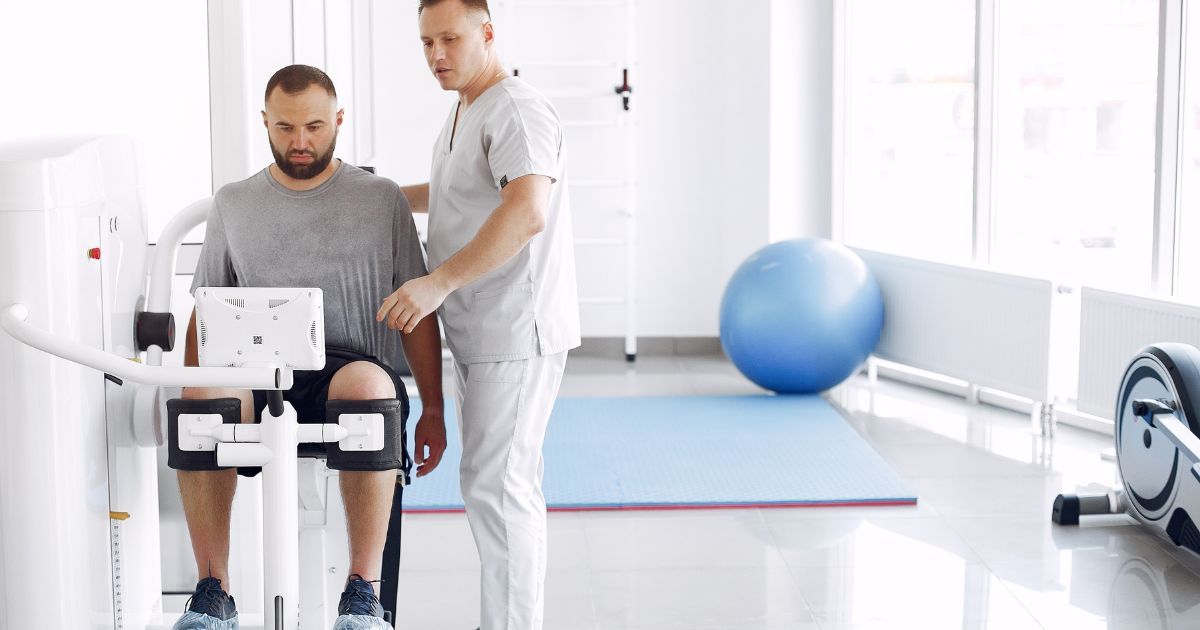
Unlike outpatient services, inpatient care offers 24/7 supervision, intensive therapy, and a controlled environment that promotes healing and reduces the risk of relapse.
In this guide, we will explore the full scope of inpatient care at addiction treatment centers in California, detailing each step of treatment, the therapeutic approaches used, and the long-term support systems that ensure recovery is sustainable. Whether you are seeking help for yourself or a loved one, this information will provide a clear understanding of what to expect in a professional treatment setting.
Inpatient Addiction Care
Inpatient addiction care, also known as residential treatment, involves living at a treatment facility for a set period, ranging from a few weeks to several months. These programs are designed for individuals with moderate to severe substance use disorders or those who have experienced repeated relapses.
The key benefits of inpatient care include:
-
Continuous medical supervision: Especially important during detox.
-
Structured daily routines: Encouraging stability and consistency.
-
Access to multiple therapies: Both individual and group sessions.
-
Safe environment: Free from triggers and external stressors that may lead to relapse.
Addiction treatment centers in California tailor programs to meet each individual's unique needs, addressing both the physical and psychological aspects of addiction.
Admission and Initial Assessment
The first step in inpatient care is a thorough assessment. Upon admission, patients undergo a detailed evaluation to determine their level of addiction severity, medical history, mental health status, and personal recovery goals.
This assessment often includes:
-
Medical evaluation: Checks for health issues caused by substance use.
-
Psychological evaluation: Screens for co-occurring mental health disorders.
-
Substance use history: Determines the type and duration of substance use.
-
Personal goals and readiness: Assesses motivation for recovery.
This process helps the treatment center create a personalized care plan, ensuring that each patient receives the most appropriate level of care.
Detoxification: The First Step
For many patients, inpatient addiction care begins with detoxification. Detox is the medically supervised process of removing substances from the body. Depending on the substance, withdrawal can be dangerous, making professional supervision critical.
During detox, addiction treatment centers in California provide:
-
24/7 medical monitoring: Nurses and doctors observe vital signs and overall health.
-
Medication-assisted treatment (MAT): Used to ease withdrawal symptoms for certain substances like opioids or alcohol.
-
Emotional support: Detox can be physically and mentally challenging; counseling helps patients cope.
Detox typically lasts from a few days to two weeks, depending on the substance and individual needs. Completing detox safely is a crucial foundation for the next stages of inpatient care.
Individual Therapy
Individual therapy is a core component of inpatient addiction care. This one-on-one approach allows patients to explore the root causes of their addiction in a safe and confidential setting.
Common techniques include:
-
Cognitive Behavioral Therapy (CBT): Helps patients identify harmful thought patterns and develop healthier behaviors.
-
Motivational Interviewing (MI): Encourages patients to find internal motivation for recovery.
-
Trauma-informed therapy: Addresses past traumas that may contribute to substance use.
Therapists work with patients to set personal goals, track progress, and develop coping strategies for managing cravings and triggers.
Group Therapy
Group therapy complements individual sessions by providing peer support and shared learning experiences. In a group setting, patients connect with others facing similar challenges, reducing feelings of isolation.
Benefits of group therapy include:
-
Sharing experiences: Patients learn that they are not alone in their struggles.
-
Developing social skills: Improves communication, empathy, and teamwork.
-
Accountability: Group members often encourage each other to stay committed to recovery.
Addiction treatment centers in California frequently use structured group therapy sessions as a way to reinforce lessons learned in individual therapy and promote a sense of community.
Family Therapy
Addiction affects more than just the individual; it impacts family and loved ones. Family therapy is an essential component of inpatient care.
Key objectives of family therapy include:
-
Improving communication: Helps family members understand each other better.
-
Addressing enabling behaviors: Identifies actions that may inadvertently support addiction.
-
Rebuilding trust: Focuses on repairing relationships damaged by substance use.
Many inpatient programs encourage family involvement, whether through direct sessions, educational workshops, or therapy calls.
Holistic Therapies
Modern inpatient addiction care often includes holistic therapies designed to address the mind, body, and spirit. These therapies complement traditional approaches and promote overall wellness.
Common holistic treatments include:
-
Yoga and meditation: Reduce stress, increase self-awareness, and improve mental clarity.
-
Art and music therapy: Provide creative outlets for emotional expression.
-
Exercise programs: Improve physical health and reduce anxiety.
-
Nutrition counseling: Teaches healthy eating habits to support recovery.
Holistic therapies are particularly effective in helping patients develop healthy routines and coping mechanisms for life after inpatient care.
Educational Programs and Life Skills
In addition to therapy, many inpatient programs offer educational sessions to equip patients with practical skills for daily living. These may include:
-
Relapse prevention strategies: Identifying triggers and creating action plans.
-
Stress management techniques: Learning mindfulness, breathing exercises, and time management.
-
Job readiness programs: Resume building, interview preparation, and career counseling.
-
Financial literacy: Budgeting and money management skills to support independence.
By addressing life skills alongside therapy, addiction treatment centers in California aim to prepare patients for a successful transition back to their personal and professional lives.
Medication Management
For some patients, medication plays a key role in recovery. Inpatient programs provide professional oversight for medications that may help manage withdrawal symptoms or co-occurring conditions.
Examples include:
-
Naltrexone: Reduces cravings for alcohol and opioids.
-
Buprenorphine: Supports opioid addiction recovery.
-
Antidepressants or anti-anxiety medications: Help manage mental health conditions alongside addiction treatment.
Medication management in inpatient care ensures that patients take the correct dosage at the right time, minimizing risks and enhancing treatment effectiveness.
Structured Daily Routine
One hallmark of inpatient addiction care is a highly structured daily schedule. This routine promotes stability and helps patients replace chaotic patterns of substance use with healthy habits.
A typical day may include:
-
Morning meditation or yoga
-
Individual therapy sessions
-
Group therapy and support meetings
-
Holistic therapy or recreational activities
-
Educational workshops
-
Evening reflection or journaling
This structure helps patients develop discipline, focus, and coping strategies that are vital for long-term recovery.
Peer Support and Community Building
Inpatient addiction care fosters a sense of community that is vital for recovery. Patients often form lasting bonds with peers who understand their struggles.
Peer support offers:
-
Shared experiences: Learning from others’ challenges and successes.
-
Encouragement and motivation: Helping each other stay committed to recovery.
-
Support networks: Connections that extend beyond the inpatient program.
This sense of belonging can be instrumental in preventing relapse and maintaining long-term sobriety.
Aftercare Planning and Transition
Inpatient addiction care does not end when a patient leaves the facility. Successful programs emphasize aftercare planning to ensure a smooth transition to life outside the center.
Aftercare may include:
-
Outpatient therapy: Continued counseling to reinforce recovery skills.
-
Support groups: Participation in 12-step programs or local recovery communities.
-
Sober living arrangements: Structured environments that provide continued support.
-
Follow-up medical care: Monitoring health and addressing ongoing needs.
Addiction treatment centers in California develop personalized aftercare plans that consider each patient’s circumstances, helping them maintain progress and avoid relapse.
Addressing Co-Occurring Disorders
Many individuals struggling with addiction also face mental health disorders such as depression, anxiety, or PTSD. Inpatient programs are equipped to treat these co-occurring conditions concurrently.
Integrated treatment involves:
-
Dual diagnosis programs: Addressing both addiction and mental health in a coordinated manner.
-
Specialized therapy sessions: Targeting specific mental health issues that contribute to substance use.
-
Medication management: Supporting mental health alongside addiction recovery.
By treating both addiction and mental health simultaneously, patients have a higher chance of achieving long-term stability and wellness.
The Role of Evidence-Based Practices
Inpatient addiction care relies on evidence-based practices to ensure effective outcomes. These methods are supported by research and have been proven to help individuals recover from substance use disorders.
Examples of evidence-based approaches include:
-
Cognitive Behavioral Therapy (CBT)
-
Motivational Interviewing (MI)
-
Contingency Management (reward-based therapy)
-
Medication-Assisted Treatment (MAT)
These approaches provide structure, measurable results, and a clear framework for recovery.
Benefits of Inpatient Addiction Care
The comprehensive nature of inpatient addiction care offers several advantages over other forms of treatment:
-
Safety: Continuous medical supervision reduces risks associated with withdrawal.
-
Focus: A controlled environment minimizes distractions and triggers.
-
Intensive therapy: Daily sessions allow for rapid progress.
-
Holistic support: Addresses physical, mental, and emotional aspects of addiction.
-
Stronger recovery foundation: Patients develop skills and routines that support long-term sobriety.
By committing to inpatient care, individuals often experience accelerated and more sustainable recovery outcomes.
Choosing the Right Inpatient Program in California
Selecting an appropriate facility is essential. When looking for addiction treatment centers in California, consider the following:
-
Accreditation and licensing: Ensures the program meets high standards of care.
-
Treatment approaches: Should align with individual needs and preferences.
-
Staff qualifications: Experienced medical professionals and licensed therapists.
-
Environment and amenities: Comfortable, safe, and supportive setting.
-
Aftercare support: Programs that provide follow-up care and transition planning.
Visiting facilities, asking questions, and reviewing patient testimonials can help families and individuals make informed decisions.
Conclusion
Inpatient addiction care in California provides a comprehensive and structured approach to recovery. From detox and individual therapy to group sessions, holistic treatments, and aftercare planning, these programs address every aspect of addiction. The combination of medical supervision, therapeutic support, and life skills training ensures that patients have the tools necessary to build lasting sobriety.
Addiction treatment centers in California offer a safe, supportive environment that fosters healing, encourages personal growth, and equips patients with practical strategies to navigate life without substances. For individuals struggling with substance use disorders, inpatient care is often the most effective first step toward recovery, offering not only immediate support but a foundation for lifelong wellness.
By understanding what inpatient addiction care includes, patients and their families can make informed decisions and take meaningful steps toward recovery. Choosing a program that meets personal needs, emphasizes evidence-based practices, and provides comprehensive support can dramatically increase the chances of long-term success.
Recovery is not just about stopping substance use—it’s about rebuilding a healthy, balanced, and fulfilling life. Inpatient addiction care in California provides the guidance, resources, and community needed to achieve that goal, setting the stage for a brighter and more hopeful future.