
A rehabilitation center is a place where people go to recover, rebuild, and regain control of their lives after illness, injury, addiction, or major life changes. For many individuals and families, a rehabilitation center represents hope, structure, and professional support.
In communities across the country, including those served by the northridge rehabilitation center, these facilities play a critical role in long-term health and recovery.
A rehabilitation center is not just a building. It is a carefully designed environment where medical care, therapy, education, and emotional support come together.
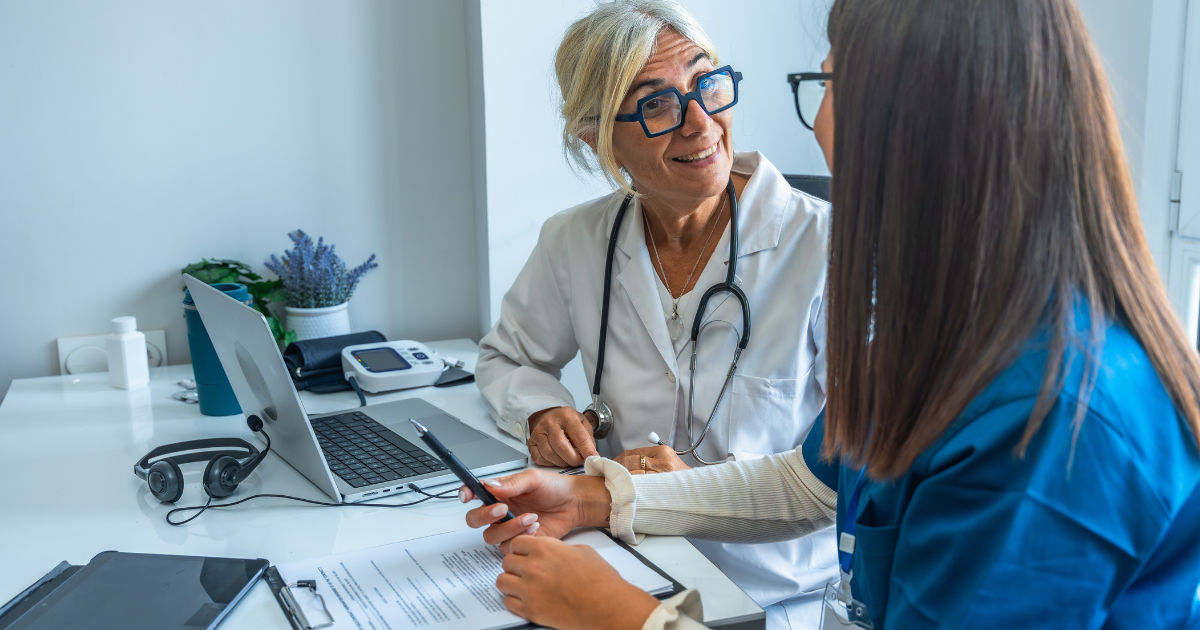
The goal is to help people return to daily life with greater independence and confidence. Whether someone is healing from surgery, managing a chronic condition, or overcoming substance use, a rehabilitation center provides the tools needed for progress.
The northridge rehabilitation center model shows how personalized care and structured programs can make recovery more effective. Understanding what a rehabilitation center is, how it works, and who it helps can make a big difference when choosing the right support.
The Purpose of a Rehabilitation Center
The main purpose of a rehabilitation center is to help individuals recover and improve their quality of life. Recovery may be physical, mental, emotional, or a combination of all three. A rehabilitation center focuses on restoring skills that may have been lost or weakened.
At a place like the northridge rehabilitation center, the purpose goes beyond treatment. It includes teaching coping skills, building healthy routines, and preparing individuals for life outside the center. Rehabilitation centers aim to reduce pain, increase strength, and improve daily functioning.
Another important purpose is preventing setbacks. Rehabilitation centers help people avoid complications, relapses, or further injuries. Through education and therapy, patients learn how to manage their conditions safely and effectively.
Types of Rehabilitation Centers
Rehabilitation centers come in different forms, each designed to meet specific needs. Understanding the types can help individuals choose the right path.
Physical Rehabilitation Centers
Physical rehabilitation centers help people recover from injuries, surgeries, or physical disabilities. These centers focus on improving movement, strength, balance, and coordination.
At a physical-focused northridge rehabilitation center, patients may receive physical therapy, occupational therapy, and pain management. Common reasons for physical rehab include strokes, fractures, joint replacements, and spinal injuries.
Substance Abuse Rehabilitation Centers
Substance abuse rehabilitation centers help individuals overcome addiction to drugs or alcohol. These centers provide medical detox, counseling, and long-term recovery planning.
The northridge rehabilitation center approach to substance recovery often includes therapy, peer support, and relapse prevention. The goal is not only sobriety but also emotional healing and life stability.
Mental Health Rehabilitation Centers
Mental health rehabilitation centers support individuals living with conditions such as depression, anxiety, bipolar disorder, or schizophrenia. These centers focus on therapy, medication management, and daily living skills.
In a mental health-focused northridge rehabilitation center, patients learn coping strategies, stress management, and social skills that help them function better in everyday life.
Occupational Rehabilitation Centers
Occupational rehabilitation centers help people return to work or daily activities after injury or illness. These centers focus on job-related skills, ergonomics, and adaptive techniques.
A northridge rehabilitation center offering occupational rehab may work closely with employers and families to support a smooth transition back to work.
Who Can Benefit From a Rehabilitation Center?
Many people can benefit from a rehabilitation center at different stages of life. Rehabilitation is not limited to one age group or condition.
People recovering from surgery often benefit from structured rehab. Stroke survivors, accident victims, and individuals with chronic pain also find support in a northridge rehabilitation center. Athletes with injuries may use rehabilitation centers to regain strength and performance.
Those struggling with addiction or mental health challenges benefit from the safe and supportive environment a rehabilitation center provides. Older adults managing age-related conditions also find value in rehabilitation services.
Services Offered in a Rehabilitation Center
Rehabilitation centers offer a wide range of services designed to meet individual needs. These services are often customized based on medical history and personal goals.
Medical Care and Monitoring
Medical care is a key part of any rehabilitation center. Doctors and nurses monitor progress, manage medications, and address health concerns.
At the northridge rehabilitation center, medical professionals work closely with therapists to ensure treatment plans are safe and effective.
Physical Therapy
Physical therapy helps patients improve strength, mobility, and endurance. Therapists guide patients through exercises and movements that support healing.
Physical therapy at a northridge rehabilitation center often includes personalized exercise plans and hands-on support.
Occupational Therapy
Occupational therapy focuses on daily activities such as dressing, cooking, and working. Therapists help patients adapt to physical or cognitive challenges.
In a northridge rehabilitation center, occupational therapy helps patients regain independence and confidence.
Speech and Language Therapy
Speech therapy helps individuals with communication, swallowing, or cognitive challenges. This is common after strokes or brain injuries.
Speech therapists at a northridge rehabilitation center use targeted techniques to improve clarity and understanding.
Counseling and Psychological Support
Emotional health is essential for recovery. Counseling services help patients manage stress, anxiety, and emotional challenges.
A northridge rehabilitation center often provides individual and group therapy sessions to support mental well-being.
Inpatient vs Outpatient Rehabilitation Centers
Rehabilitation centers offer both inpatient and outpatient options. The choice depends on the level of care needed.
Inpatient Rehabilitation
Inpatient rehabilitation requires patients to stay at the center full-time. This option is best for those who need intensive support and supervision.
At an inpatient northridge rehabilitation center, patients receive round-the-clock care, structured schedules, and constant access to professionals.
Outpatient Rehabilitation
Outpatient rehabilitation allows patients to live at home while attending therapy sessions. This option works well for those with milder conditions or strong home support.
An outpatient northridge rehabilitation center offers flexibility while still providing expert care.
The Role of a Rehabilitation Team
A rehabilitation center relies on a team of professionals working together. Each team member plays a specific role in recovery.
Doctors oversee medical care and treatment plans. Nurses provide daily support and monitoring. Therapists guide physical, occupational, and speech therapy sessions.
Counselors and social workers address emotional and social needs. At a northridge rehabilitation center, teamwork ensures that every aspect of recovery is addressed.
The Rehabilitation Process Step by Step
The rehabilitation process follows a structured path designed to support steady progress.
Assessment and Evaluation
The process begins with a full assessment. Medical history, physical abilities, and personal goals are reviewed.
At the northridge rehabilitation center, assessments help create a personalized treatment plan.
Goal Setting
Clear goals guide the rehabilitation journey. Goals may include walking independently, returning to work, or maintaining sobriety.
The northridge rehabilitation center emphasizes realistic and achievable goals.
Treatment and Therapy
Treatment includes therapy sessions, medical care, and educational programs. Progress is monitored regularly.
In a northridge rehabilitation center, treatment plans are adjusted as patients improve.
Discharge Planning
Discharge planning prepares patients for life after rehab. This includes home exercises, follow-up care, and community resources.
A northridge rehabilitation center ensures patients leave with confidence and support.
Importance of Family Involvement
Family involvement can greatly improve rehabilitation outcomes. Families provide encouragement, understanding, and practical help.
Many programs at a northridge rehabilitation center include family education sessions. These sessions help loved ones understand the recovery process.
Family support creates a stronger foundation for long-term success.
Challenges Faced During Rehabilitation
Rehabilitation can be challenging. Physical discomfort, emotional stress, and slow progress are common.
A northridge rehabilitation center helps patients face these challenges with professional guidance and emotional support. Patience and persistence are key.
Understanding that setbacks are part of recovery helps patients stay motivated.
How to Choose the Right Rehabilitation Center
Choosing the right rehabilitation center is an important decision. Several factors should be considered.
Location, services offered, staff qualifications, and patient reviews all matter. A trusted northridge rehabilitation center often stands out due to its comprehensive care and supportive environment.
Insurance coverage and program length should also be reviewed carefully.
The Role of Education in Rehabilitation
Education empowers patients to take control of their health. Learning about conditions, treatments, and prevention strategies is essential.
A northridge rehabilitation center often includes educational workshops and resources. These tools help patients make informed decisions.
Education reduces fear and increases confidence throughout recovery.
Long-Term Benefits of Rehabilitation Centers
Rehabilitation centers offer benefits that extend far beyond the treatment period. Patients often experience improved physical health, emotional stability, and self-esteem.
The skills learned at a northridge rehabilitation center support long-term independence and wellness. Many patients report a better quality of life after completing rehabilitation.
Rehabilitation centers also reduce hospital readmissions and long-term healthcare costs.
Rehabilitation Centers and Community Support
Rehabilitation does not end at discharge. Community support plays a vital role in maintaining progress.
A northridge rehabilitation center often connects patients with local resources, support groups, and follow-up care. These connections help patients stay engaged and motivated.
Community support strengthens recovery and prevents isolation.
Conclusion:
A rehabilitation center is a powerful resource for healing, growth, and renewal. It provides structured care, professional support, and a safe environment for recovery. From physical injuries to mental health challenges and addiction, rehabilitation centers address a wide range of needs.
The northridge rehabilitation center represents the core values of effective rehabilitation: personalized care, teamwork, and long-term support. By focusing on both physical and emotional well-being, rehabilitation centers help individuals rebuild their lives step by step.
Choosing a rehabilitation center is a meaningful decision that can shape the future. With the right support, education, and commitment, recovery is not only possible but sustainable. A rehabilitation center offers more than treatment; it offers hope, direction, and the tools needed for a healthier and more independent life.