
Clothing is not just about covering the body; it is a reflection of personality, emotions, culture, and social expectations. Understanding the psychology behind female clothes choices reveals much more than fabric and fashion—it uncovers how women express themselves, manage perceptions, and communicate non-verbally.
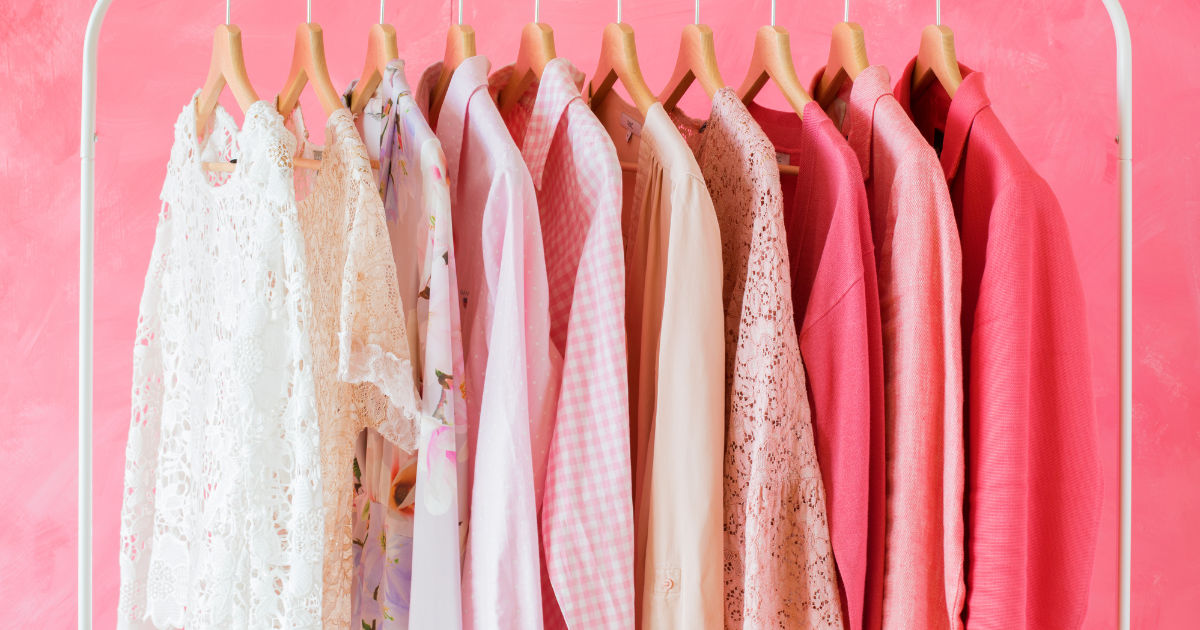
When we explore female cloths, we see the deeper motives behind color choices, styles, and even shopping habits. This guide delves into why women choose what they wear and what it communicates about them, their personality, and their social environment.
Understanding why women select specific female cloths requires examining both internal and external factors. Internal factors include personality, mood, and self-image, while external factors involve societal norms, trends, peer pressure, and environmental considerations. Clothing, therefore, is both a personal and social tool—a bridge between self-expression and social communication.
The Role of Personality in Female Clothes Choices
Personality greatly influences how women select their female cloths. Introverted women may lean towards understated, comfortable, or neutral-toned clothing. In contrast, extroverted women might prefer bold colors, patterns, or statement pieces that attract attention. Psychological studies suggest that clothing is an extension of personality. It acts as a subtle declaration of individuality.
Women who are highly creative often choose unconventional or artistic styles, combining textures, patterns, or colors in ways that reflect their inner imagination. Practical and organized personalities might prefer simple, functional female cloths, prioritizing ease of movement and comfort over trends.
Furthermore, personality traits like openness, conscientiousness, and self-confidence can directly affect clothing choices. For example, a confident woman may opt for form-fitting or stylish female cloths, showing her comfort with her body. Meanwhile, someone lower in confidence may prefer loose or dark clothing to minimize attention.
Mood and Emotional Influence
Mood has a powerful effect on female cloths choices. Women often dress according to how they feel on a particular day. A woman feeling happy and energetic may select bright, vibrant colors or playful designs. Conversely, during periods of stress, sadness, or low energy, darker shades or oversized, cozy female cloths may become the preferred choice.
Psychologists call this “enclothed cognition”—the influence of clothing on emotions and behavior. For instance, wearing professional female cloths can increase a sense of competence and productivity, while casual or athletic clothing can promote relaxation and physical ease. Mood-driven clothing choices are a dynamic form of self-expression, reflecting internal states to the outside world.
Social Influence and Peer Pressure
Social circles, media, and culture significantly shape female clothes choices. Fashion trends emerge from celebrities, influencers, and social media, subtly guiding what women perceive as stylish or acceptable. Peer pressure can also play a role, especially among teenagers or young adults, where belongingness and conformity influence wardrobe decisions.
Cultural norms also dictate female cloths preferences. In some cultures, modest or traditional attire is expected, while in others, experimentation and diversity in clothing are encouraged. Social approval, judgment, and the desire to project a certain image often motivate women to select female cloths aligning with societal expectations.
Female Cloths as a Communication Tool
Clothing acts as a non-verbal communication tool. Women often use female cloths to convey confidence, approachability, professionalism, or creativity without saying a word. For instance, a woman attending a job interview might choose formal, conservative attire to project competence. Meanwhile, weekend outfits might focus on comfort, playfulness, or relaxation.
Color psychology also plays a role in communication. Red female cloths can signal confidence or assertiveness. Blue can suggest calmness and reliability, while black often conveys sophistication or elegance. Even subtle choices, like accessories or shoe style, can influence how others perceive personality traits and status.
Self-Image and Body Perception
A woman’s self-image strongly influences her female cloths choices. Clothing allows women to accentuate body parts they feel confident about or hide areas they feel insecure about. This aligns with research on body image and fashion psychology. Well-fitted female cloths can boost self-esteem, whereas ill-fitting clothes may lower confidence.
Body type, skin tone, and age also affect clothing choices. For instance, younger women may prefer trendier female cloths, while older women might prioritize comfort or classic styles. The goal is often to create a harmonious appearance that aligns with self-perception and boosts confidence in social interactions.
Gender Norms and Societal Expectations
Society imposes gender-specific expectations on clothing. Female cloths are often scrutinized for modesty, appropriateness, or adherence to fashion trends. Women may select clothing based on these unwritten rules to avoid criticism or judgment.
In professional settings, female cloths choices can reflect power dynamics. For example, women in leadership roles might opt for tailored suits or bold colors to command authority. Conversely, casual settings allow more freedom and creativity in female cloths selection. These choices demonstrate how societal pressures intersect with personal expression.
The Impact of Trends and Fashion Industry
The fashion industry has a powerful psychological impact on female cloths choices. Seasonal trends, advertisements, and social media platforms constantly create a sense of urgency to remain “in style.” Marketing often appeals to emotions, suggesting that certain female cloths enhance attractiveness, social status, or self-worth.
Women may also experience the “fear of missing out” (FOMO) when trends evolve rapidly. This can lead to frequent wardrobe changes or impulsive purchases. Recognizing these influences helps understand that some clothing decisions are more about social perception than personal preference.
Shopping Habits and Consumer Psychology
The psychology behind shopping significantly affects female cloths choices. Retail environments, discounts, and product displays are designed to trigger emotional responses. Women often experience excitement, satisfaction, or stress relief through shopping, which impacts the type of female cloths they select.
Impulse buying is common, where the immediate emotional reward outweighs long-term practicality. Brand loyalty, perception of quality, and aesthetic appeal also guide decisions. Online shopping introduces convenience but can amplify trend-driven choices due to algorithmic recommendations and influencer endorsements.
Clothing and Identity Expression
Clothing is a primary medium for identity expression. Women may use female cloths to align with specific subcultures, professions, or lifestyles. For example, bohemian styles might indicate free-spiritedness, while minimalist female cloths suggest simplicity and efficiency.
Clothing also serves as a tool for experimentation. Women may explore different identities through their wardrobe, trying new styles, colors, or trends. This experimentation allows them to express facets of their personality that might not be evident in daily interactions.
The Psychological Comfort Factor
Comfort is a crucial yet often overlooked aspect of female cloths choices. Women may prefer fabrics, cuts, or sizes that make them feel physically and mentally at ease. Comfort often aligns with emotional security—clothing that feels right can reduce anxiety and enhance confidence.
Interestingly, the balance between comfort and style is a delicate psychological trade-off. While some prioritize trendiness, others may sacrifice aesthetics for tactile or emotional ease. Recognizing this balance explains why some women invest heavily in designer female cloths, while others opt for simpler, practical options.
The Influence of Life Stages
Life stages significantly impact female cloths choices. Adolescence, young adulthood, middle age, and later years bring changes in priorities, body image, and social roles. Teenage girls may emphasize trendy or peer-approved female cloths, while professional women might prioritize wardrobe versatility and status signaling.
Life events, such as pregnancy, career changes, or retirement, also shape clothing choices. For instance, maternity female cloths focus on comfort and adaptability, while professional attire in a corporate career emphasizes authority and competence. Understanding life stage influences helps decode clothing psychology comprehensively.
Cultural and Ethnic Factors
Cultural and ethnic backgrounds play a profound role in female cloths choices. Traditional norms, festivals, and rituals often dictate specific attire. Women may choose clothing that honors cultural heritage or represents social belonging.
Ethnic identity can influence color palettes, fabric types, and ornamentation in female cloths. Women may combine traditional elements with modern fashion, reflecting both cultural pride and personal style. Such choices demonstrate how culture intertwines with individual psychology in clothing selection.
Conclusion
The psychology behind female cloths choices is multifaceted. It intertwines personality, emotions, social influence, self-image, cultural norms, and life stages. Female cloths are not merely functional; they are a language of expression, communication, and identity.
From personality-driven selections to trend-influenced purchases, clothing reflects both inner psychology and external social pressures. Women use female cloths to communicate confidence, creativity, and cultural identity while balancing comfort, aesthetics, and societal expectations.
Understanding the motivations behind female cloths choices provides valuable insight into human behavior, self-expression, and social dynamics. Recognizing these factors encourages empathy, reduces judgment, and highlights the complex relationship between clothing and psychology. Female cloths, therefore, are far more than fashion—they are windows into personality, emotions, and societal interaction.
By exploring the intricacies of clothing psychology, we appreciate how women navigate identity, perception, and emotion through their wardrobe. Clothing becomes a mirror of self and society, revealing the subtle, nuanced choices behind every outfit.
The psychology of female cloths is both fascinating and essential to understanding modern social behavior, human identity, and cultural expression. It is a dynamic interplay of personal preference, emotional state, societal norms, and life experience, making each wardrobe as unique as the individual wearing it.