
Introduction: A New Dawn for Jewelry Manufacturing
In today’s world, change is the only constant. With advancements in manufacturing technology, the jewelry sector stands on the brink of a transformative era. Imagine a time when jewelry suppliers seamlessly blend traditional artistry with modern tech—could it redefine luxury? Jewelry manufacturers must navigate an evolving landscape to align with digital innovation, and this poses significant challenges (and opportunities!). As we embrace the future, let’s explore how design merges with cutting-edge technology to create masterpieces. Let us now transition to the first challenge facing jewelry suppliers.
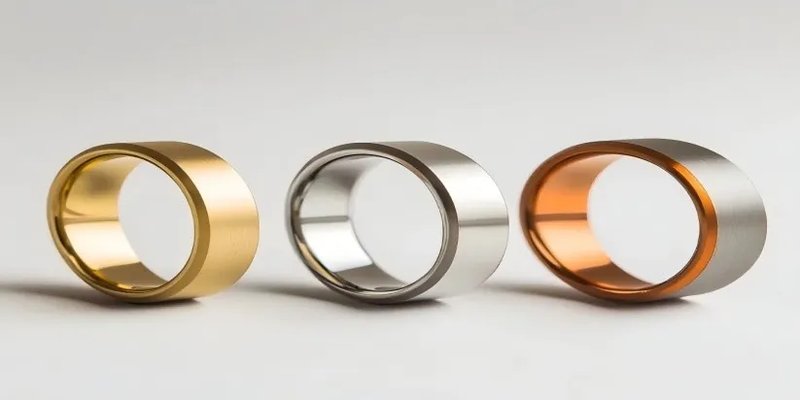
The Flaws in Traditional Manufacturing Methods
Historically, the jewelry industry has relied heavily on artisan craftsmanship and lengthy production cycles. While these methods provide a unique touch, they often result in inefficiencies and scalability issues. Jewelry suppliers struggle with adapting to consumer demands swiftly due to these constraints. Slow edge computing nodes in traditional workflows lead to bottlenecking—no one enjoys waiting, right? This is where innovation must step in. The integration of power converters and digital modeling tools is essential for modernizing the approach. So, what’s really holding traditional processes back, and how can we address these bottlenecks with new technology?
Are We Missing the Bigger Picture?
The issue is more profound than just technological gaps. The root lies in the entire supply chain’s reluctance to embrace change. Although customization and precision machining are keys to unique designs, traditional suppliers often resist automating broader operations. But look, it’s simpler than you think—embracing technology doesn’t mean sacrificing quality. The next wave of jewelry suppliers will need a tech-driven mindset to stay ahead, employing techniques like 3D printing and real-time demand tracking. Let’s delve into futuristic strategies that offer a comparative perspective.
Futuristic Perspective: Embracing New Technology Principles
There’s no denying it—integrating new technologies can breathe life into an age-old industry. By leveraging advanced materials and energy-efficient systems, jewelry manufacturing can revolutionize its processes. Think of jewelry suppliers employing sustainable practices by using low-impact techniques, which not only enhance productivity but also appeal to the eco-conscious consumer base. Innovative practices like intelligent data analytics and adaptive supply chains herald a new beginning. So, what’s keeping you? Dive into this digital transformation.

What’s Next for the Industry?
As we move forward, the real-world impact of integrating technology in jewelry manufacturing cannot be overstated. The adoption of AI and machine learning techniques—quite the game-changer, right?—offers predictive insights that optimize production timelines and reduce waste. Expect an industry-wide shift towards flexibility, as suppliers align more closely with consumer desires. It’s clear that the future is defined not by tradition alone, but by how we adapt to innovation. A strategic fusion of design and technology promises endless possibilities, making Star Harvest a central player in this evolution.
Now, as we reflect on these insights, it’s evident that embracing technological advancements is no longer optional but vital. We have a unique opportunity to synthesize traditional craftsmanship with modern ingenuity. Let us continue to explore how brands like Star Harvest lead in this magnificent transformation, setting benchmarks for excellence in the jewelry industry.