
A gaming application is only as good as the experience it delivers to its users. Even the most advanced game mechanics or high-quality graphics can fail if the interface is confusing or difficult to navigate.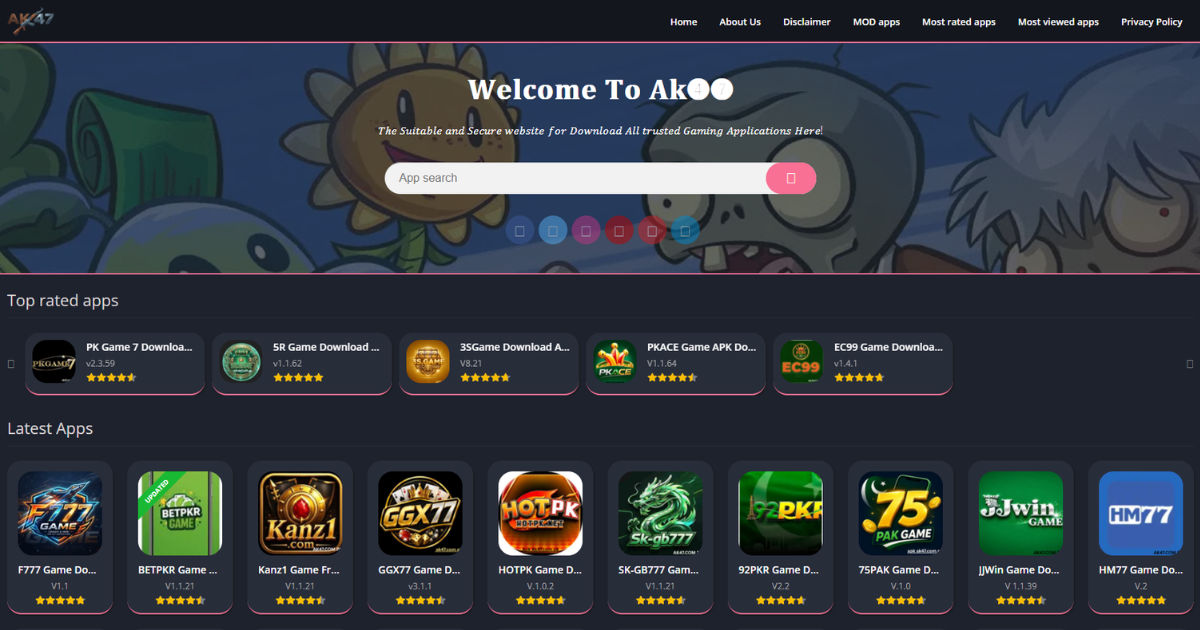
In today’s competitive gaming industry, user-friendly design is not just a feature—it is a necessity.Platforms like AK47.COM.PK highlight how important smooth navigation, clear design, and responsive controls are in keeping players engaged.
A user-friendly interface helps players focus on gameplay rather than struggling with menus, buttons, or controls.In this article, we will explore what makes a gaming application interface truly user-friendly, why it matters, and how developers create seamless gaming experiences for all types of users.
What Is a User-Friendly Gaming Interface?
A user-friendly gaming interface is a design system that allows players to interact with a game easily, intuitively, and without confusion. It includes menus, buttons, icons, layouts, and controls that are simple to understand and responsive.
A well-designed interface ensures that:
- Players can start playing quickly
- Navigation is smooth and logical
- Controls are easy to learn
- Important information is visible without effort
In simple words, a user-friendly interface removes unnecessary barriers between the player and the game.
Why User-Friendly Design Matters in Gaming
The success of a gaming application depends heavily on user experience. If players find a game difficult to understand, they are likely to uninstall it within minutes. That is why developers invest heavily in interface design.
A user-friendly interface helps in several ways:
Improves Player Engagement
When users can easily understand how to play, they spend more time in the game. This increases engagement and long-term retention.
Reduces Learning Curve
New players should not feel overwhelmed. A simple interface allows them to learn controls quickly and enjoy the game from the start.
Builds Positive Reputation
Games with smooth interfaces often receive better reviews and recommendations, increasing their popularity.
Encourages Monetization
In-app purchases and rewards systems are easier to use when the interface is clear and accessible.
Core Elements of a User-Friendly Gaming Interface
To understand what makes a gaming interface effective, we need to look at its key components.
Simple and Clear Layout
A clean layout is the foundation of a user-friendly interface. It avoids clutter and ensures that important elements are easy to find.
A good layout includes:
- Organized menus
- Visible action buttons
- Minimal distractions
- Logical screen structure
Players should never feel lost while navigating the game.
Intuitive Navigation
Navigation refers to how players move through menus, settings, and gameplay screens. If navigation is complicated, users quickly lose interest.
A strong gaming interface ensures:
- Easy back-and-forth movement between screens
- Predictable menu structures
- Clear icons and labels
Players should instinctively know where to tap or click.
Responsive Controls
Responsiveness is one of the most important aspects of gaming interfaces. Delayed or unresponsive controls can ruin the entire experience.
A user-friendly game ensures:
- Instant response to user input
- Smooth touch or keyboard reactions
- No lag between action and result
This is especially important in competitive or fast-paced games.
Visual Clarity and Readability
Graphics should enhance the game, not confuse the player. Text, icons, and buttons must be easy to read and understand.
Good design practices include:
- High contrast between text and background
- Readable fonts
- Clear icons instead of complex symbols
- Proper spacing between elements
Consistent Design Language
Consistency helps players learn the interface faster. When buttons, colors, and layouts behave the same across different screens, users feel more comfortable.
Consistency includes:
- Same button styles across menus
- Uniform color themes
- Predictable animations
- Standard icon usage
Fast Loading and Performance
Even the best interface fails if the game is slow. Performance plays a key role in user experience.
A smooth gaming interface ensures:
- Quick loading screens
- Minimal lag
- Efficient resource usage
- Stable gameplay across devices
Accessibility Features
Modern gaming interfaces are designed for all types of users, including those with disabilities or limited experience.
Accessibility may include:
- Adjustable font sizes
- Colorblind-friendly modes
- Simple control options
- Audio cues and subtitles
Good accessibility increases the game’s audience.
Design Principles Behind User-Friendly Gaming Interfaces
Game developers follow specific design principles to ensure usability and satisfaction.
Simplicity Over Complexity
A common mistake in game design is overloading the interface with too many features. Simplicity ensures users are not overwhelmed.
Developers focus on:
- Minimalist design
- Essential features only
- Easy-to-understand icons
Feedback and Interaction
Players should always know that their actions have been recognized. This is done through visual or audio feedback.
Examples include:
- Button animations when clicked
- Sound effects for actions
- Progress indicators during loading
Hierarchy of Information
Important information should always be more visible than secondary details.
For example:
- Health bars are more prominent than background stats
- Action buttons are highlighted
- Alerts and notifications appear clearly
Error Prevention and Recovery
A user-friendly interface helps prevent mistakes and makes recovery easy if errors occur.
This includes:
- Confirmation messages before important actions
- Undo options where possible
- Clear error messages
Role of UI/UX Design in Gaming Applications
UI (User Interface) and UX (User Experience) are the backbone of gaming applications.
UI Design
UI focuses on visual elements such as:
- Buttons
- Menus
- Icons
- Layouts
It ensures that everything looks attractive and organized.
UX Design
UX focuses on the overall experience, including:
- Ease of navigation
- Emotional engagement
- Satisfaction level of users
A successful gaming application balances both UI and UX effectively.
How Mobile Gaming Has Changed Interface Design
With the rise of mobile gaming, interface design has evolved significantly.
Touch-Based Controls
Unlike PC or console gaming, mobile games rely on touch gestures. This requires:
- Larger buttons
- Swipe-friendly controls
- Easy tap zones
Smaller Screen Optimization
Designers must ensure that all elements fit well on smaller screens without losing clarity.
One-Hand Usability
Many mobile games are designed for single-hand use, especially casual games.
Importance of Testing and User Feedback
No gaming interface is perfect in the first version. Developers rely heavily on testing and user feedback.
Beta Testing
Games are released to a small group of users before full launch to identify issues.
User Reviews
Feedback from players helps improve interface design over time.
Continuous Updates
Developers frequently update games to fix bugs and improve usability.
Common Mistakes in Gaming Interface Design
Even experienced developers sometimes make mistakes such as:
Overcomplicated Menus
Too many options confuse players.
Poor Button Placement
If buttons are hard to reach, gameplay becomes frustrating.
Inconsistent Design
Different styles across screens reduce familiarity.
Ignoring Mobile Optimization
Games not optimized for mobile lose a large audience.
Future of Gaming Interfaces
The future of gaming interfaces is becoming more advanced and immersive.
Voice Controls
Players will soon interact using voice commands more frequently.
Gesture-Based Navigation
Hand movements and gestures will replace traditional controls in some games.
AI-Powered Interfaces
Artificial intelligence will adapt interfaces based on user behavior.
Virtual Reality Integration
VR will create fully immersive environments where traditional UI elements may disappear.
How Developers Ensure User-Friendly Experience
Developers use several strategies to create smooth gaming interfaces:
- Prototyping early designs
- Conducting usability testing
- Analyzing player behavior
- Improving based on analytics
These methods ensure that the final product is easy and enjoyable to use.
Real-World Impact of Good Gaming Interfaces
A well-designed interface can determine a game’s success or failure. Popular games often succeed not just because of gameplay, but because they are easy to use and visually appealing.
A strong interface leads to:
- Higher user retention
- Better ratings on app stores
- Increased player satisfaction
- Strong community engagement
Conclusion
A user-friendly gaming application interface is essential for delivering a smooth, enjoyable, and engaging experience. From simple layouts and intuitive navigation to responsive controls and accessibility features, every detail plays a role in shaping how players interact with a game.
As gaming continues to evolve, developers must prioritize user experience more than ever. Whether it is mobile gaming, PC platforms, or future technologies like VR, the goal remains the same: make games easy to use and enjoyable for everyone.
Websites and platforms such as AK47.COM.PK reflect how important usability is in retaining players and improving overall satisfaction in the gaming world.
Ultimately, a great gaming interface is not just about design—it is about understanding human behavior, reducing complexity, and making interaction feel natural and effortless.