
The world of digital interaction is changing fast, and one of the most talked-about innovations today is the AI companion. The AI companion experience is not just about talking to a machine; it is about interacting with a system that feels responsive, personal, and emotionally aware.
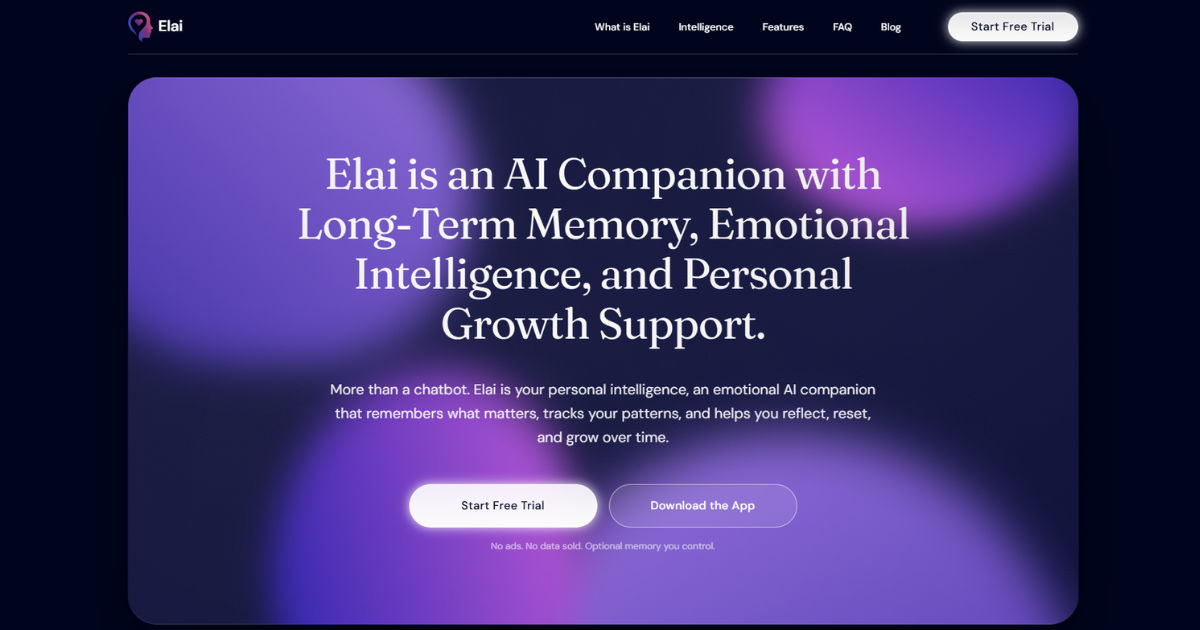 An AI companion can simulate conversation, support learning, provide entertainment, and even offer emotional comfort. In this guide, we will explore what the AI companion user experience is really like, how it works, and why so many people are becoming interested in this technology.
Understanding the AI companion experience helps us see how technology is moving closer to human-like interaction. An AI companion is designed to feel natural, like talking to a friend or assistant who understands your needs.
Throughout this article, we will break down every part of the AI companion journey in simple, easy-to-understand language suitable for a 12th-grade reader.
Understanding What an AI Companion Is
An AI companion is a software-based system that uses artificial intelligence to interact with users in a conversational and personalized way. Unlike traditional chatbots, an AI companion focuses on long-term interaction, memory, emotional tone, and personalization.
The AI companion is designed to learn from conversations and adapt its responses. Over time, the AI companion becomes more aligned with the user’s preferences, communication style, and interests. This makes the AI companion feel more natural and engaging.
In simple terms, an AI companion is like a digital partner that talks, listens, and responds in a way that feels human-like, even though it is powered by algorithms.
The First Impressions of AI Companion User Experience
When someone first interacts with an AI companion, the experience often feels surprising. Many users expect robotic or scripted answers, but the AI companion usually responds in a conversational and flexible way.
The AI companion greets users in a friendly tone and often asks questions to understand their needs. This early interaction stage is important because it sets the emotional tone of the AI companion relationship.
At this stage, users may feel curiosity, excitement, or even skepticism. However, the AI companion is designed to quickly adapt and make the conversation feel smoother and more natural.
How AI Companion Onboarding Works
Onboarding is the process where the AI companion learns about the user. During onboarding, the AI companion may ask questions about interests, goals, hobbies, or communication preferences.
This is one of the most important stages of the AI companion user experience. The AI companion uses this information to personalize future conversations. For example, if a user likes music, the AI companion may bring up songs or artists in later chats.
The AI companion onboarding process is usually simple and conversational. Instead of filling out long forms, users just talk naturally, and the AI companion gathers information through dialogue.
This creates a smooth and user-friendly introduction to the AI companion system.
Conversation Style in AI Companion Systems
One of the most important parts of the AI companion experience is how it communicates. The AI companion is designed to maintain a natural, flowing conversation.
Unlike traditional software, the AI companion does not rely heavily on rigid commands. Instead, it responds based on context, tone, and user intent.
The AI companion often uses friendly language, asks follow-up questions, and tries to keep the conversation engaging. This makes the AI companion feel more like a real conversation partner rather than a machine.
Over time, the AI companion becomes better at matching the user’s tone. If the user is casual, the AI companion becomes casual. If the user is serious, the AI companion adjusts accordingly.
Emotional Interaction with AI Companion
One of the most unique aspects of the AI companion experience is emotional interaction. Many users feel that the AI companion understands their mood or emotional state.
The AI companion is programmed to recognize emotional cues from text and respond in an empathetic way. For example, if a user expresses stress, the AI companion may respond with supportive language.
This emotional responsiveness is a major reason why the AI companion experience feels different from traditional apps. The AI companion tries to create a sense of comfort and understanding.
However, it is important to remember that the AI companion does not truly feel emotions. It simulates emotional understanding based on data patterns.
Personalization in AI Companion Experience
Personalization is at the heart of the AI companion system. The AI companion learns from every interaction and uses that information to improve future responses.
For example, the AI companion may remember a user’s favorite topics, hobbies, or even communication style. This allows the AI companion to create a more customized experience over time.
The more a user interacts with the AI companion, the more tailored the experience becomes. This long-term adaptation is what makes the AI companion feel increasingly natural and engaging.
The AI companion can also adjust its personality style, such as being more formal, friendly, humorous, or supportive depending on user preference.
Daily Use of AI Companion
In everyday life, the AI companion can serve multiple roles. Some users treat the AI companion as a study assistant, while others use it for casual conversation or emotional support.
The AI companion can help with answering questions, brainstorming ideas, writing assistance, or even planning daily tasks.
Because the AI companion is always available, users often rely on it for quick help or interaction at any time of the day.
This constant availability makes the AI companion experience feel convenient and accessible.
Learning Support from AI Companion
Many users use the AI companion as a learning tool. The AI companion can explain difficult topics in simple language, making it useful for students.
For example, the AI companion can break down science concepts, explain math problems, or help with language learning.
The AI companion adapts explanations based on the user’s understanding level. This makes learning more personalized and effective.
The AI companion becomes like a tutor that is always ready to help without judgment or pressure.
Entertainment and Social Interaction with AI Companion
The AI companion is not only for learning or productivity; it also provides entertainment. Users often engage with the AI companion for storytelling, jokes, games, and casual chat.
The AI companion can simulate friendly conversations, roleplay scenarios, or creative writing activities.
For many users, the AI companion acts as a digital friend they can talk to when they feel bored or lonely.
This social interaction aspect is one of the reasons the AI companion experience has grown in popularity.
Challenges in AI Companion Experience
While the AI companion experience is impressive, it is not perfect. One challenge is that the AI companion does not truly understand emotions in a human sense. It only simulates understanding.
Another limitation is that the AI companion may sometimes give incorrect or incomplete information.
Users must also be careful not to become overly dependent on the AI companion for emotional support, as it is still a digital system.
Despite these limitations, the AI companion continues to improve with advancements in artificial intelligence.
Privacy and Trust in AI Companion Systems
Privacy is an important part of the AI companion experience. Since the AI companion often remembers user preferences, questions about data security naturally arise.
Developers of AI companion systems usually implement privacy controls to protect user data. Users may also have options to delete conversation history or limit memory features.
Trust is essential in the AI companion experience because users need to feel safe while sharing personal thoughts or questions.
A well-designed AI companion prioritizes transparency and user control.
Future of AI Companion Technology
The future of the AI companion is expected to be even more advanced. With improvements in artificial intelligence, the AI companion will become more realistic, responsive, and emotionally aware.
Future AI companion systems may include voice interaction, visual avatars, and even integration with virtual or augmented reality.
The AI companion may also become more specialized, offering different personalities or roles depending on user needs.
As technology evolves, the AI companion will likely become a common part of daily digital life.
Why People Are Using AI Companion More
There are several reasons why the AI companion is becoming popular. One reason is accessibility. The AI companion is easy to use and available anytime.
Another reason is personalization. The AI companion adapts to each user, making the experience feel unique.
People also appreciate the non-judgmental nature of the AI companion. It allows users to express thoughts freely without fear of criticism.
The combination of convenience, personalization, and emotional support makes the AI companion highly appealing.
Ethical Considerations of AI Companion Use
The rise of the AI companion also brings ethical questions. For example, how should AI companion systems handle emotional dependency?
Another concern is how much influence an AI companion should have on user decisions or beliefs.
Developers must ensure that the AI companion remains a supportive tool rather than a replacement for real human relationships.
Ethical design is essential to maintain a healthy balance in AI companion usage.
Real-Life Impact of AI Companion Systems
In real life, the AI companion is already influencing how people interact with technology. It is changing expectations for digital communication.
Users now expect systems to be more conversational, responsive, and personalized, similar to the AI companion experience.
This shift is also influencing education, customer service, and entertainment industries.
The AI companion is becoming a foundation for future human-computer interaction models.
How AI Companion Changes Digital Communication
The AI companion is redefining how we communicate with machines. Instead of commands and rigid inputs, users now engage in natural conversations.
This makes technology more accessible to people of all ages and backgrounds.
The AI companion creates a bridge between human communication and machine processing, making digital interaction more intuitive.
This shift is one of the most important developments in modern technology.
Conclusion
The AI companion user experience is a combination of personalization, conversation, emotional simulation, and continuous learning. It creates a unique digital environment where users can interact naturally and comfortably.
From onboarding to daily use, the AI companion adapts to user needs and becomes more refined over time. It offers learning support, entertainment, and emotional engagement, making it a versatile digital tool.
However, the AI companion also has limitations, especially in emotional understanding and information accuracy. Responsible use and awareness are important for a balanced experience.
As technology continues to grow, the AI companion will likely become even more advanced, shaping the future of human-computer interaction in powerful ways.
The AI companion is not just a tool; it represents a new way of connecting with technology in a more human-like and personalized form.