
Medical care at home has become an increasingly practical option for families who want to provide comfort and support to patients recovering from illness, surgery, or injury. Many people prefer receiving treatment in familiar surroundings rather than staying in a hospital for an extended period. However, proper medical equipment is essential to make home care safe, comfortable, and effective. Renting suitable devices can help families access necessary healthcare equipment without making expensive purchases.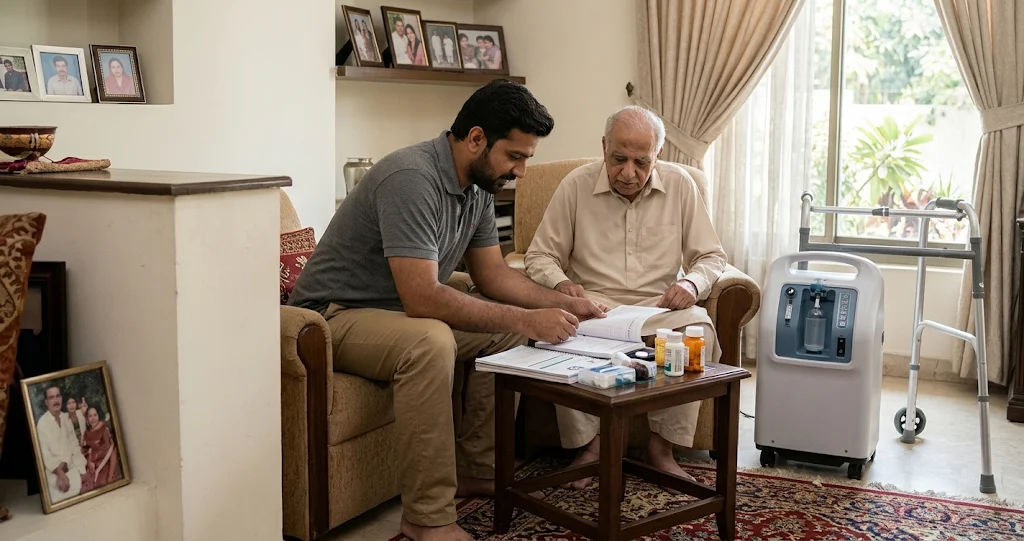
One important question families often ask is whether Medical Equipment rental Lahore is safe for home use. The answer is yes, provided the equipment comes from a reliable rental provider, is properly maintained, and is suitable for the patient's medical requirements. From hospital beds and wheelchairs to oxygen concentrators and patient monitors, rented equipment can support different healthcare needs when handled correctly.
Nevertheless, safety should always come before convenience or affordability. Families need to understand how equipment works, what precautions are necessary, and when professional assistance is required. Choosing the wrong device or using it incorrectly can create unnecessary risks for patients.
This comprehensive guide explains the safety of renting medical equipment for home use, the precautions families should follow, and how to choose suitable equipment for different medical situations.
Medical Equipment Rental for Home Use
Medical Equipment rental Lahore rental allows patients and caregivers to use healthcare devices for a specific period without purchasing them permanently. This arrangement is especially helpful when equipment is required temporarily during recovery or rehabilitation.
For example, someone recovering from surgery might need a wheelchair for several weeks. Another patient with limited mobility may require an adjustable hospital bed for a few months.
Instead of spending a significant amount on equipment that might not be needed later, families can rent suitable devices according to their requirements.
In Lahore, renting medical equipment can also make home healthcare more manageable for families who need practical solutions within a limited budget.
How Does Medical Equipment Rental Work?
The process generally begins by identifying the patient's healthcare requirements. Families then contact a rental provider to discuss available equipment, rental duration, delivery arrangements, and costs.
The provider supplies the selected equipment and may offer installation or operating instructions.
Depending on the agreement, the rental service may also include maintenance, replacement, and technical support.
Before accepting any device, families should inspect its condition and confirm that it works properly.
Why Do Families Choose Rental Equipment?
There are several reasons why families prefer renting instead of buying medical equipment.
-
Lower initial expenses: Renting avoids the high upfront cost of purchasing expensive devices.
-
Temporary requirements: Patients recovering from surgery may only need equipment for a short period.
-
Flexible rental periods: Families can arrange equipment according to their expected treatment duration.
-
Storage convenience: There is no need to store large equipment permanently after recovery.
-
Access to different devices: Patients can select equipment according to changing healthcare needs.
These advantages make renting a useful option when the equipment is appropriate and supplied by a dependable provider.
Is Medical Equipment Rental Lahore Safe for Home Use?
Yes, renting medical equipment for home use can be safe when certain standards are followed. However, safety depends on several factors, including equipment quality, cleanliness, maintenance, installation, and proper operation.
A rental device should never be accepted simply because it looks new or appears to be working.
It must be suitable for the patient's condition and should undergo appropriate inspection before use.
For instance, an oxygen concentrator must deliver the prescribed oxygen flow, while an adjustable hospital bed should have properly functioning controls and safety features.
When families arrange Medical Equipment rental Lahore, they should prioritize providers that take equipment maintenance and patient safety seriously.
Equipment Quality and Proper Maintenance
The condition of medical equipment plays an important role in protecting patients.
Devices used by different individuals may experience regular wear and tear. Therefore, rental providers should inspect their equipment between rental periods.
Electrical connections, mechanical components, batteries, alarms, and control systems should be checked where applicable.
A wheelchair should have secure brakes, properly attached wheels, and stable footrests. Similarly, a hospital bed should have working adjustment controls and secure side rails.
Families should request confirmation that the equipment has been inspected and maintained.
Cleaning and Disinfection Standards
Cleanliness is another essential consideration when renting medical equipment.
Healthcare devices may come into contact with patients' skin, clothing, or bodily fluids. Poor cleaning practices can increase the risk of infection.
Rental providers should follow suitable cleaning and disinfection procedures before delivering equipment to another customer.
Particular attention should be given to mattresses, wheelchair seats, bed surfaces, patient support accessories, and reusable components.
Families should also clean frequently touched surfaces according to the manufacturer's instructions.
Some items, including personal-use accessories, may need to be purchased separately rather than shared between patients.
Which Medical Equipment Can Be Safely Used at Home?
Different medical devices serve different purposes. The right selection depends on the patient's diagnosis, mobility, recovery requirements, and instructions from healthcare professionals.
Understanding common rental equipment can help families make better decisions.
Hospital beds are useful for patients who have difficulty getting in and out of ordinary beds.
Many models offer adjustable head and leg sections, allowing caregivers to position patients more comfortably.
Some beds also include side rails, locking wheels, and adjustable height settings.
Before using a rented hospital bed, families should check its stability and ensure that the brakes work properly.
Caregivers should also understand how to operate the adjustment controls and use side rails safely. Improperly positioned rails can create entrapment risks, especially for patients with limited awareness or mobility.
Wheelchairs
Wheelchairs support patients who cannot walk comfortably or independently.
They can help individuals move around the home and attend medical appointments.
A suitable wheelchair should match the patient's body size, weight, mobility level, and physical requirements.
Before use, inspect the wheels, brakes, footrests, armrests, and seating surface.
Caregivers should always apply the brakes before helping someone sit down or stand up. They should also avoid placing excessive weight on footrests.
Oxygen Concentrators
Oxygen concentrators provide supplemental oxygen by concentrating oxygen from the surrounding air.
Doctors may prescribe these devices for patients who require oxygen therapy.
However, oxygen concentrators should only be used according to professional medical instructions.
The prescribed flow rate, operating duration, and monitoring requirements must be followed carefully.
Families should also keep oxygen equipment away from smoking, open flames, and other ignition sources. Oxygen supports combustion and can make fires spread more rapidly.
A trained person should explain how to operate the device and respond to alarms.
Patient Monitors
Patient monitors can help caregivers observe selected health measurements, depending on the device.
Some models display heart rate, oxygen saturation, blood pressure, or other vital signs.
These devices may be useful for patients who require regular monitoring at home.
However, families should understand that monitoring equipment does not replace medical assessment.
Incorrect sensor placement, movement, poor connections, or low battery levels can affect readings.
A healthcare professional should explain which measurements matter and when medical attention is necessary.
Nebulizers and Other Respiratory Devices
Nebulizers convert liquid medication into a mist that can be inhaled through a mask or mouthpiece.
They may be prescribed for patients who require inhaled medication.
Families should follow the prescribed medication instructions and clean the device according to its manufacturer guidelines.
Masks and mouthpieces should be handled carefully because poor hygiene can increase infection risks.
Important Safety Precautions Before Renting Medical Equipment
Selecting suitable equipment is only the first step. Families must also make sure that the home environment is prepared and that caregivers understand the necessary precautions.
Taking time to check these details can prevent many avoidable problems.
Obtain Medical Advice First
Before renting equipment, consult the patient's doctor or another qualified healthcare professional.
Different patients may have similar symptoms but require different equipment.
For example, a patient recovering from a minor injury may need a basic wheelchair, while someone with severe mobility limitations might require additional positioning support.
A doctor can help identify the appropriate device and explain how it should be used.
Families should avoid choosing equipment based only on advertisements or recommendations from people without relevant medical knowledge.
Check Equipment Certification and Safety Standards
Medical equipment should meet applicable safety and quality requirements.
Ask the rental provider about the manufacturer's details, model number, maintenance history, and relevant compliance documentation.
For electrical devices, check the condition of plugs, cables, switches, and power connections.
If the equipment has a battery, ask how long it operates without electricity and how it should be charged.
A responsible provider should be willing to answer reasonable questions about equipment safety.
Request Installation and Demonstration
Some medical equipment requires proper installation before it can be used safely.
Hospital beds, oxygen concentrators, and certain monitoring systems may have specific operating requirements.
Families should request a practical demonstration when the device is delivered.
The person responsible for using the equipment should learn how to:
-
Turn the device on and off.
-
Adjust its available settings.
-
Recognize warning signals and alarms.
-
Clean appropriate surfaces and accessories.
-
Identify common operating problems.
-
Contact technical support when necessary.
A demonstration helps caregivers become more confident and reduces the likelihood of incorrect operation.
How to Prepare Your Home for Medical Equipment
A safe home environment is just as important as the quality of the rented equipment.
Before delivery, examine the room where the patient will spend most of their time.
Create Enough Space
Large devices such as hospital beds and wheelchairs require sufficient movement space.
Remove unnecessary furniture, loose objects, and obstacles from the patient's surroundings.
Make sure caregivers can reach the patient from both sides of the bed when necessary.
Wheelchair users should have clear pathways between their bedroom, bathroom, and common living areas.
Doorways should also provide enough clearance for the selected equipment.
Check Electrical Safety
Some medical devices require a continuous electricity supply.
Before placing electrical equipment, check that suitable power outlets are available.
Avoid using damaged extension cords or overcrowded electrical sockets.
Keep electrical cables away from walking paths to prevent falls.
For equipment that is essential to the patient's treatment, ask the provider about backup power requirements and safe alternatives during electricity interruptions.
This consideration is particularly important when renting oxygen concentrators or other electrically powered medical devices.
Maintain Proper Ventilation
Medical devices should be placed in environments that meet their operating requirements.
For example, oxygen concentrators generally need adequate airflow around their ventilation openings.
Do not cover air vents or place equipment directly against walls if the manufacturer recommends clearance.
Keep the surrounding area clean and avoid excessive dust accumulation.
Good ventilation helps certain devices operate more effectively and reduces the risk of overheating.
How to Choose a Reliable Medical Equipment Rental Provider in Lahore
The safety of rented equipment depends significantly on the company supplying it.
Not every rental service offers the same level of maintenance, customer support, or technical assistance.
Families should compare providers carefully instead of making decisions based only on price.
Evaluate the Provider's Experience
Look for a company with experience supplying medical equipment for home healthcare.
Ask how long the provider has been operating and whether it regularly serves patients with similar requirements.
An experienced provider may be better prepared to explain equipment features, installation requirements, and maintenance procedures.
However, experience alone does not guarantee quality. Equipment condition and service standards must also be checked.
Ask About Cleaning and Maintenance
Before confirming an agreement, ask how equipment is cleaned after each rental.
You should also ask whether mechanical and electrical inspections are performed regularly.
For complicated devices, request information about servicing and calibration where applicable.
A provider that gives clear answers demonstrates a more responsible approach to customer safety.
Understand the Rental Agreement
A written rental agreement protects both the customer and the service provider.
Read the terms carefully before accepting equipment.
Important details include:
-
Rental duration and monthly charges.
-
Security deposits and additional fees.
-
Delivery and installation arrangements.
-
Maintenance responsibilities.
-
Equipment replacement policies.
-
Damage and repair conditions.
-
Collection procedures after the rental period.
Clarifying these points can prevent misunderstandings later.
Confirm Technical Support Availability
Medical equipment can occasionally develop technical problems.
Families should know whom to contact if a device stops working or displays an error message.
Ask whether technical support is available outside normal business hours.
Also confirm how quickly the provider can arrange repairs or replacement equipment.
This is particularly important when the patient depends on a device for essential medical support.
Common Risks of Using Rented Medical Equipment at Home
Although rental equipment can be safe, certain problems may arise when proper precautions are ignored.
Understanding these risks helps caregivers take preventive action.
Equipment Malfunction
A device may stop working because of damaged components, electrical problems, or battery failure.
Regular maintenance and inspection can reduce these risks.
Caregivers should never continue using equipment that appears damaged or behaves unexpectedly.
Instead, they should contact the provider and seek appropriate medical assistance if the patient's treatment is affected.
Incorrect Equipment Settings
Some medical devices require specific settings based on a patient's condition.
Using incorrect settings can reduce effectiveness or create unnecessary health risks.
Oxygen flow rates, bed positioning controls, and monitoring parameters should follow professional instructions.
Caregivers should not change prescribed settings without consulting the appropriate healthcare professional.
Poor Hygiene
Insufficient cleaning can expose patients to bacteria and other infectious microorganisms.
This is especially concerning for individuals with weakened immune systems or open wounds.
Families should follow appropriate cleaning procedures and avoid sharing personal accessories.
Improper Handling
Moving patients without proper techniques can cause injuries to both patients and caregivers.
For example, lifting someone from a wheelchair incorrectly may result in falls or physical strain.
Caregivers should receive practical guidance on transferring patients and using mobility equipment.
If a patient requires substantial physical assistance, professional support may be necessary.
Is Renting Better Than Buying Medical Equipment?
The decision to rent or buy depends on how long the equipment will be required.
Both options have advantages, and neither is automatically better for every patient.
When Renting Is the Better Option
Renting is often practical when equipment is needed temporarily.
For example, a patient recovering from knee surgery may require a wheelchair or adjustable bed for a limited period.
Once mobility improves, the equipment can be returned.
Renting can also be useful when families want to avoid the responsibility of long-term equipment storage and maintenance.
When Buying Makes More Sense
Purchasing may be more economical when a patient requires the same equipment for several years.
For example, someone with a long-term mobility requirement may benefit from owning a properly fitted wheelchair.
Buying also allows families to select equipment for their ongoing needs without worrying about monthly rental charges.
However, ownership means that maintenance, servicing, repairs, and storage become the family's responsibility.
Compare Total Costs
Families should calculate the complete rental cost rather than considering only the advertised monthly price.
Include delivery, installation, deposits, accessories, and possible maintenance charges.
Compare this amount with the purchase price and expected servicing expenses.
The best option is the one that offers suitable equipment, reliable support, and reasonable long-term value.
Tips for Caregivers Using Medical Equipment at Home
Caregivers play an important role in maintaining a safe home healthcare environment.
Even good-quality equipment requires proper handling and regular attention.
Follow the Manufacturer's Instructions
Every medical device has specific operating requirements.
Read the instruction manual and follow the recommended cleaning, charging, storage, and maintenance procedures.
Never assume that two similar devices operate in exactly the same way.
Keep Emergency Contacts Accessible
Maintain the contact information of the rental provider, healthcare professional, and local emergency services.
Caregivers should understand what to do if equipment fails during treatment.
For essential medical devices, discuss backup arrangements with the treating healthcare team before an emergency occurs.
Observe the Patient Regularly
Monitor the patient's comfort and response to equipment.
Check for discomfort, skin irritation, pressure-related problems, or difficulties with positioning.
Patients using hospital beds for extended periods may need regular repositioning according to their care plan.
Any unexpected symptoms should be discussed with a healthcare professional.
Avoid Unauthorized Repairs
Never attempt to repair complicated medical equipment without appropriate technical knowledge.
Opening electrical devices or changing internal components can create additional safety problems.
Contact the rental provider when equipment requires servicing.
Questions to Ask Before Confirming Medical Equipment Rental Lahore
Before arranging Medical Equipment rental Lahore, families should prepare a few important questions.
These questions can help them understand the provider's service quality and avoid unnecessary risks.
Is the equipment cleaned before delivery?
The provider should explain its cleaning and disinfection procedures, including how reusable accessories are handled.
Has the equipment been inspected?
Ask whether the device has undergone functional and safety checks before being rented again.
Does the rental include installation?
Some devices require professional setup, so confirm whether installation is included in the agreed price.
Will someone demonstrate how to use it?
A practical demonstration is particularly important for devices with complicated controls or safety requirements.
What happens if the equipment stops working?
Understand the repair, replacement, and emergency support arrangements.
Can the rental period be extended?
Recovery times can change, so flexible rental arrangements may be helpful.
Are accessories included?
Ask whether mattresses, tubing, masks, chargers, or other required accessories are included or charged separately.
Getting clear answers makes the rental process more transparent and helps families choose suitable equipment.
Conclusion
Medical equipment rental can be a safe and practical solution for patients who need healthcare support at home. It allows families to access important devices without paying the full purchase price, making home recovery and long-term care more manageable.
However, safety should always remain the highest priority. Equipment must be appropriate for the patient's medical condition, properly maintained, hygienically cleaned, and installed according to the manufacturer's instructions. Families should also receive clear operating guidance before using unfamiliar devices.
Choosing a dependable provider is equally important. Before arranging Medical Equipment rental Lahore, check the company's experience, equipment inspection procedures, cleaning standards, maintenance policies, and technical support arrangements. A written rental agreement can also help prevent unexpected expenses and misunderstandings.
Preparing the home environment makes another significant difference. Adequate space, safe electrical connections, proper ventilation, and clear movement pathways can help reduce common household risks. Caregivers should understand how to operate the equipment, recognize warning signs, and contact professionals when problems occur.
Most importantly, rented medical equipment should support professional healthcare rather than replace it. Patients should use devices according to their doctors' recommendations, and caregivers should never make independent changes to medically prescribed settings.
Ultimately, Medical Equipment rental Lahore can provide a reliable way to improve comfort, accessibility, and convenience during home treatment when families make informed decisions. With suitable equipment, responsible caregivers, and a trustworthy rental provider, patients can receive valuable support in a familiar environment while maintaining appropriate safety standards.