
Introduction
Gas leaks and exposure to virulent or combustible gases can pose serious threats to homo health and the environment. Many industries, from manufacturing to construction, rely on operational gas monitoring to see to it safety and avoid costly accidents. Unfortunately, workers often face the take exception of using obsolete or inaccurate equipment, which can refuge and lead to ruinous consequences.
Fortunately, modern gas detectors and gas analyzers ply a more TRUE and precise solution. These hi-tech devices not only volunteer real-time monitoring but also help companies stay obedient with safety regulations and environmental standards. With the right gas signal detection tools, businesses can protect their workforce, improve operational , and prevent disasters.
Understanding Gas Detectors and Gas Analyzers
What Are Gas Detectors?
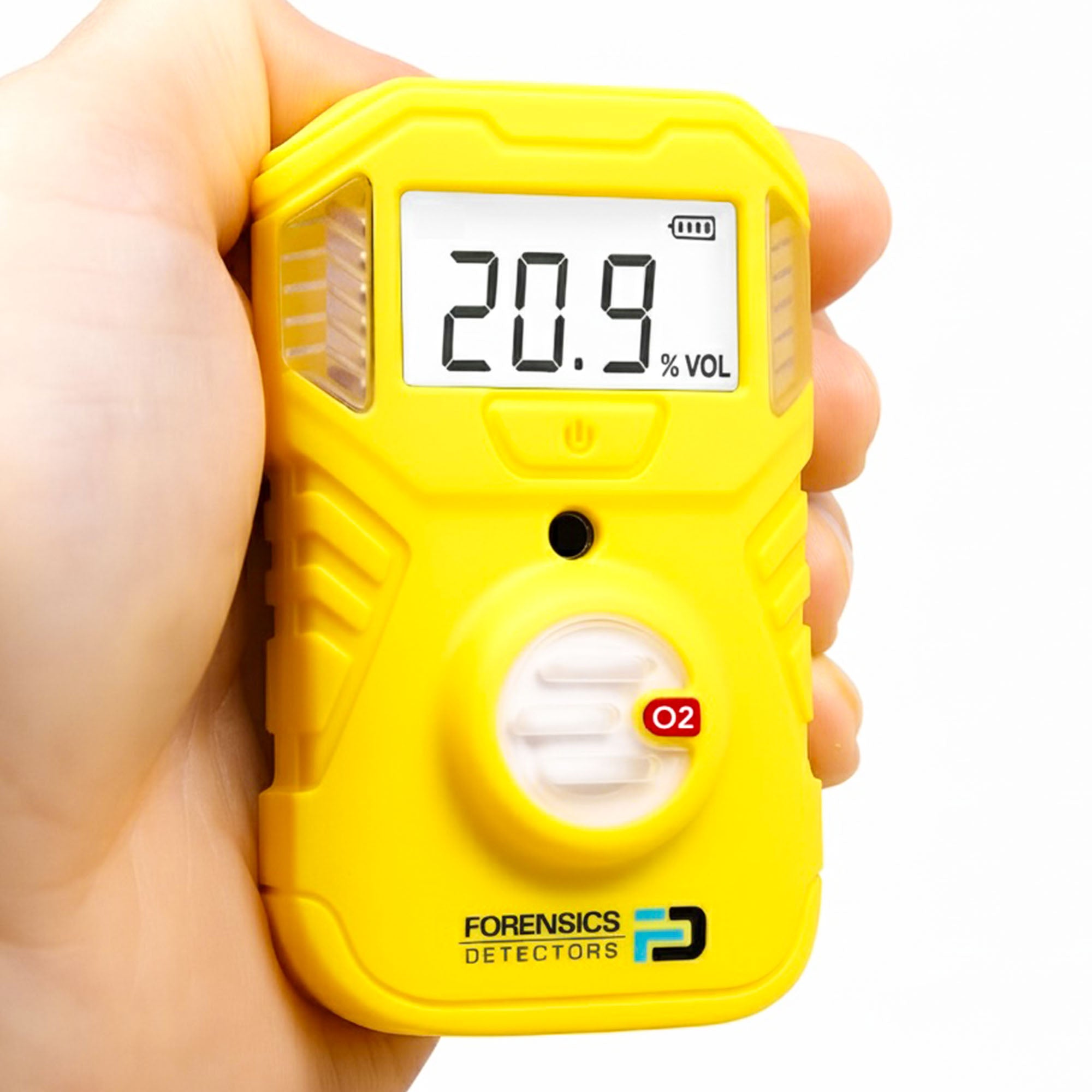
Gas detectors are instruments premeditated to detect the presence of risky gases, such as carbon paper monoxide, methane, hydrogen sulfide, and ammonia water, in the air. They come in both outboard and fixed versions and are equipped with sensors that spark alarms when gas levels go past planned refuge thresholds. Portable gas detectors are ideal for workers who need to supervise air tone in restrained spaces, while nonmoving systems are perfect for never-ending, automatic monitoring in large facilities.
What Are Gas Analyzers?
Gas analyzers, on the other hand, go a step further by measurement the concentration of various gases in the environment. These tools ply detailed data about air timber, enabling industries to monitor gas emissions, control production processes, and ascertain submission with environmental regulations. Unlike staple detectors, gas analyzers often boast advanced capabilities like multi-gas measuring and data logging for in-depth psychoanalysis.
Why Are Gas Detectors and Analyzers Crucial for Safety?
1. Preventing Accidents and Fatalities
Gas leaks, whether in an industrial setting or restrained quad, can be madly. Carbon monoxide intoxication, for example, can cause unconsciousness or even death in proceedings. Gas detectors provide early on warnings of dangerous gas concentrations, allowing workers to void or take corrective process before the state of affairs escalates.
2. Ensuring Compliance with Safety Regulations
Many industries are needed by law to supervise and control gas emissions. Regulations set by OSHA, EPA, and other regulative bodies mandate the use of gas detection systems to avoid safety violations and state of affairs . Gas analyzers help businesses stay manipulable by providing exact, real-time data on gas levels, making it easier to meet industry standards.
3. Improving Operational Efficiency
Gas analyzers are worthful tools for optimizing product processes in industries such as oil and gas, food processing, and pharmaceuticals. By accurately monitoring gas concentrations, businesses can reduce waste, vim, and improve production timbre. In this way, gas analyzers not only protect workers but also raise the overall efficiency of trading operations.
Choosing the Right Gas Detection Equipment
When selecting gas lel meter or analyzers for your workplace, several factors should be advised:
Sensitivity: The power to observe low levels of gases is indispensable, especially for venomous or combustible gases.
Durability: Ensure that the equipment is built to withstand the particular environmental conditions of your work.
Ease of Use: Choose models with user-friendly interfaces and displays to simplify surgery.
Alarm Systems: Effective appal systems, including visual, loud, and vibrating alerts, can save lives by providing immediate warnings of dicey gas levels.
Calibration and Maintenance: Regular standardization and sustainment are requirement to insure the truth and longevity of gas signal detection .
Conclusion
Gas detectors and gas analyzers play a indispensable role in safeguarding workers, maintaining environmental standards, and up operational efficiency. By investing in high-quality, dependable gas signal detection tools, companies can understate risks, stay compliant with regulations, and optimize their processes. Whether you are monitoring venomous gases in a manufactory or mensuration emissions in the domain, these are indispensable for maintaining refuge in unsafe environments.