
When it comes to maintaining a beautiful and healthy yard, one often overlooked task is dealing with old tree stumps. Tree removal might clear the large, visible part of a tree, but stumps left behind can create numerous problems. This is where stump grinding becomes an essential part of yard preparation.
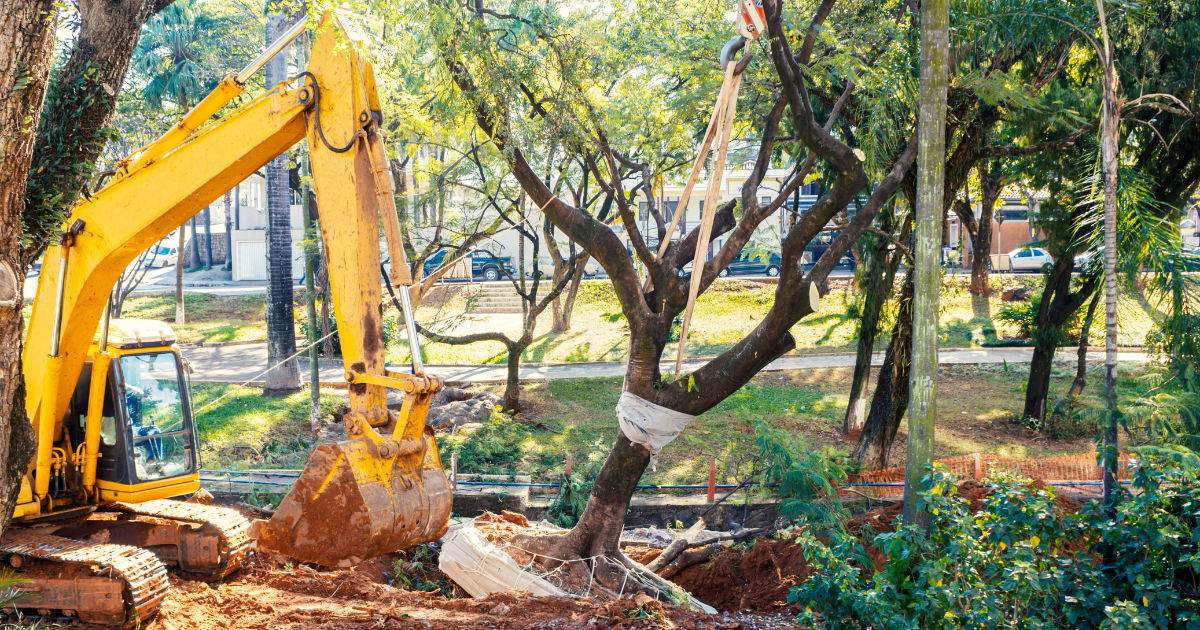
Not only does it clear space for new plants, but it also ensures a safer, healthier, and more visually appealing garden environment. For homeowners seeking professional guidance, services like tree pruning canberra provide expertise that ensures every aspect of tree management is handled efficiently.
In this comprehensive guide, we will explore how stump grinding works, why it is important, and how it can transform your yard into a thriving space for new plants.
From soil health to aesthetics, we’ll cover everything you need to know to prepare your yard for planting.
What Is Stump Grinding?
Stump grinding is the process of removing a tree stump by mechanically grinding it down into small wood chips. Unlike tree removal, which removes the above-ground portion of a tree, stump grinding targets the part of the tree that remains in the soil. This process is often preferred over manual digging or burning because it is faster, cleaner, and less damaging to the surrounding landscape.
Professional stump grinders are powerful machines capable of reducing stumps to small, manageable pieces. The depth of grinding depends on your yard’s needs, but typically the stump is ground to below the soil surface, creating enough room for planting new trees, shrubs, or flowers. Services like tree pruning canberra often include stump grinding as part of a complete yard maintenance package.
Why Stump Grinding Is Important for Your Yard
Leaving a tree stump in your yard may seem harmless, but it can create several issues over time. Here’s why stump grinding is crucial for preparing your yard for new plants:
1. Prevents New Growth from Old Stumps
Certain trees can produce shoots from leftover stumps. These shoots can grow into weak, unhealthy trees that drain soil nutrients. Stump grinding removes the possibility of unwanted regrowth, ensuring that your yard remains clear for new plants.
2. Improves Soil Health
Old tree stumps decompose slowly and can harbor pests and fungi that negatively affect soil quality. By grinding stumps, you allow better aeration and nutrient absorption, giving new plants a healthier environment to grow.
3. Enhances Yard Safety
Tree stumps can pose a tripping hazard, especially for children or pets. Grinding stumps reduces this risk, making your yard safer and more enjoyable.
4. Boosts Aesthetic Appeal
A yard with leftover stumps can appear neglected and untidy. Stump grinding removes unsightly obstacles, creating a clean, smooth area ready for landscaping or planting new greenery.
5. Facilitates Landscape Design
If you’re planning a new garden layout, stumps can interfere with planting patterns or lawn installations. Grinding stumps allows you to reshape your yard without obstruction.
How Stump Grinding Works
Understanding the process of stump grinding can help homeowners appreciate its benefits and make informed decisions. Here’s a step-by-step overview:
Step 1: Assessing the Stump
The first step is evaluating the size, species, and condition of the stump. Different tree species have different root structures and hardness, which affects grinding difficulty. Professionals, including those offering tree pruning canberra, can assess whether additional treatments like herbicides are needed to prevent regrowth.
Step 2: Clearing the Area
Before grinding begins, the area around the stump is cleared of rocks, debris, and garden equipment. This ensures safe and efficient operation of the grinding machine.
Step 3: Grinding the Stump
The stump grinder uses a rotating cutting disk to chip away wood, reducing the stump gradually. The grinding depth can vary, usually between 6 to 12 inches below ground level, depending on your future planting plans.
Step 4: Removing Debris
After grinding, the leftover wood chips can be removed or used as mulch. This not only cleans the area but also provides a sustainable way to reuse organic material in your garden.
Step 5: Soil Preparation
Once the stump is removed, the exposed soil can be leveled and enriched with compost or fertilizers, making it ideal for planting new trees or plants.
Benefits of Stump Grinding for Planting New Trees
If your goal is to create a flourishing garden, stump grinding offers several direct advantages for planting new trees:
Healthier Root Development
Grinding a stump eliminates old roots that could compete with new plants for water and nutrients. This allows your new trees to establish stronger, healthier root systems.
Reduced Pest Problems
Old stumps can attract termites, ants, and other pests that may harm new plants. Removing stumps minimizes these risks.
Easier Irrigation
Stumps can interfere with water distribution in your garden. Grinding ensures a smooth, uniform surface, making irrigation more effective.
Flexibility in Plant Selection
Without stumps, you can select new plants freely, whether you want shade trees, flowering shrubs, or vegetable gardens. Stump removal clears the way for creative landscaping.
Preparing Your Yard After Stump Grinding
Once stump grinding is complete, proper yard preparation is essential for new plants to thrive. Here’s what you should do next:
Step 1: Soil Testing
Testing your soil pH and nutrient levels ensures that it can support your desired plants. Amend the soil with compost or fertilizers based on test results.
Step 2: Leveling the Ground
After grinding, uneven patches may remain. Use a rake or shovel to level the soil for smooth planting beds.
Step 3: Mulching
Spread mulch over the area to retain moisture, regulate soil temperature, and suppress weeds. Wood chips from the stump can also be used as an eco-friendly mulch option.
Step 4: Selecting Plants
Choose plants suitable for your soil type, climate, and sunlight availability. Consider native species for easier maintenance and environmental benefits.
Step 5: Planting
Follow proper planting techniques, such as spacing, depth, and watering, to ensure healthy growth. This step is critical for maximizing the benefits of stump grinding.
Tools and Equipment Needed for Stump Grinding
While hiring professionals is often recommended, understanding the tools used can help homeowners plan their yard projects:
-
Stump Grinder: The main machine that grinds the stump into chips.
-
Safety Gear: Helmets, gloves, goggles, and protective clothing to ensure operator safety.
-
Rake and Shovel: For clearing debris and leveling soil after grinding.
-
Mulch or Compost: For soil enrichment and maintaining moisture.
Hiring professionals offering services like tree pruning canberra ensures the right equipment and expertise are used, reducing the risk of injury or damage to your yard.
DIY vs. Professional Stump Grinding
Some homeowners may consider grinding stumps themselves. While DIY stump grinding is possible, it requires skill, heavy machinery, and safety precautions. Here’s a comparison:
DIY Stump Grinding
-
Pros: Lower cost, flexible timing.
-
Cons: Risk of injury, equipment rental costs, may not remove deep roots completely.
Professional Stump Grinding
-
Pros: Efficient, safe, thorough, often includes debris removal and soil preparation.
-
Cons: Higher upfront cost, requires scheduling.
For optimal results, especially when combining stump removal with future planting projects, professional services like tree pruning canberra are recommended.
Common Myths About Stump Grinding
Many homeowners hesitate to grind stumps due to misconceptions. Here’s the truth:
Myth 1: Stumps Will Naturally Decompose Quickly
Reality: Most stumps take years to decompose naturally. Grinding accelerates the process and allows immediate use of the area.
Myth 2: Grinding Damages Nearby Plants
Reality: When done correctly, stump grinding targets only the stump and nearby soil can be enriched for plant growth.
Myth 3: Stump Grinding Is Expensive
Reality: Costs vary based on stump size and location, but the benefits—healthy plants, safe yard, and improved aesthetics—often outweigh the expense.
Additional Benefits of Stump Grinding
Beyond preparing your yard for new plants, stump grinding provides additional advantages:
-
Prevents Lawn Damage: Stumps can interfere with mowing and landscaping.
-
Increases Property Value: A clear, well-maintained yard is more appealing to buyers.
-
Promotes Environmental Health: Reusing wood chips and preventing fungal growth supports a balanced garden ecosystem.
How to Maintain Your Yard After Stump Grinding
Maintaining your yard ensures that the benefits of stump grinding are long-lasting:
-
Regular Watering: Keep newly planted areas moist but avoid overwatering.
-
Mulching: Continue using mulch to reduce weed growth and retain soil moisture.
-
Pruning: Regular pruning of new plants promotes healthy growth, and professionals offering tree pruning canberra can help maintain trees properly.
-
Monitoring Soil Health: Regular soil tests prevent nutrient deficiencies and support plant growth.
Conclusion
Stump grinding is more than just a cosmetic improvement—it is an essential step in preparing your yard for new plants. By removing stumps, you prevent unwanted growth, improve soil health, enhance safety, and create a more aesthetically pleasing environment. Whether you are planning a new garden, adding trees, or expanding your lawn, stump grinding provides a clean slate for your landscaping projects.
Partnering with professional services like tree pruning canberra ensures that every aspect of stump removal and yard preparation is handled efficiently and safely. By combining stump grinding with proper soil preparation, mulching, and plant selection, you can transform your yard into a thriving, beautiful space.
Investing in stump grinding today not only prepares your yard for immediate planting but also promotes long-term growth, safety, and beauty. The benefits are clear: healthier plants, cleaner spaces, and a more enjoyable outdoor environment.
With these steps, homeowners can confidently move forward with planting and landscaping, knowing their yard is fully prepared for new growth.